REVIEW · LONDON
Brixton Self-Guided Music Walking Tour – Guided By Historian
Book on Viator →Operated by Vidi Guides · Bookable on Viator
Brixton tells its story through sound. This self-guided audio walk connects black heritage, Windrush-era themes, and pop-culture moments to real spots you can actually stand in, with offline GPS help and music-focused storytelling. One thing to watch: a couple of people had trouble launching the audio or receiving instructions, so you’ll want to prepare before you arrive.
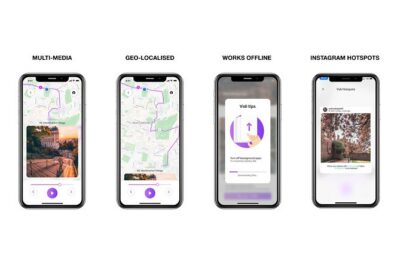
I like that it’s short (about 50 minutes) and paced for your legs, not for a group. You also get a clean stop-by-stop flow, plus tools like a GPS map and photo prompts for Instagram hotspots—handy when you want to remember what you saw without doing mental gymnastics.
In This Review
- Key things to know before you start
- Brixton in 50 Minutes: What This Audio Walk Is Really For
- Price and Value: Why $6.84 Makes Sense (If You Prep)
- Getting Started at St Matthew’s Church: The Part You Shouldn’t Rush
- Stop 1: St Matthew’s Church and the Roots of Brixton Music
- Stop 2: Dogstar and How Music Venues Change With Time
- Stop 3: Brixton Market and Electric Avenue Meaning
- Stop 4: The David Bowie Memorial and His Brixton Trace
- Stop 5: Phonox and Clubbing Culture in Context
- Stop 6: Windrush Square and Community Memory
- Offline GPS, GPS Map, and How It Changes Your Day
- Timing, Pace, and Why the 6 Stops Work
- Small Limits and Real-World Flow
- Who This Audio Tour Is Best For
- Mixed Feedback: What Could Go Wrong and How to Avoid It
- Should You Book This Brixton Audio Tour?
- FAQ
- How long is the Brixton self-guided music walking tour?
- Is this tour self-guided or guided by a person?
- Can I use the audio tour offline?
- What do I need to bring?
- Where does the tour start and end?
- What is the cancellation policy?
Key things to know before you start

- Audio by a local historian and musician: you’re not just hearing facts, you’re hearing context
- Offline mode with GPS: download ahead, then use your location to find stops
- 6 focused stops: St Matthew’s Church, Dogstar, Electric Avenue, Bowie mural, Phonox, Windrush Square
- About 50 minutes: quick enough for a tight London day, long enough to feel like a mini journey
- Small tour cap (max 10): even though it’s self-guided, it’s built to stay controlled
- Earphones and your phone are not included: bring what you need
Brixton in 50 Minutes: What This Audio Walk Is Really For

If you like neighborhoods where music and identity overlap, this is a smart way to spend an hour. You’ll follow a simple route in Brixton with short audio segments tied to specific places—so you’re not wandering blindly while trying to guess what matters.
This style is great when you want control. You can linger at a mural, slow down near a venue, or skip ahead if you’re more interested in one theme (like Windrush history or Bowie) than another.
The tour is also designed for quick understanding. Each stop is meant to give you a clear takeaway, then move you to the next physical cue—church roots, venue history, street meaning, and community memory.
You can also read our reviews of more walking tours in London



Price and Value: Why $6.84 Makes Sense (If You Prep)

At $6.84 per person, this isn’t trying to compete with a pricey guided walking tour. The value is in the format: you’re getting an app-based audio experience with offline support, GPS navigation, and multiple themed stops.
Here’s the practical math. If you’re spending time in Brixton anyway, you’re essentially paying for a guided narrative you can pause, replay, and use on your schedule. And because it’s offline-capable, you’re not stuck paying attention to your data plan while you’re trying to enjoy the street scene.
The one caveat is setup. Some people reported that starting wasn’t obvious right away. That doesn’t mean the tour is doomed—it just means you should treat “prep time” as part of the purchase. Download first, charge your phone, and have your mobile ticket ready.
Getting Started at St Matthew’s Church: The Part You Shouldn’t Rush
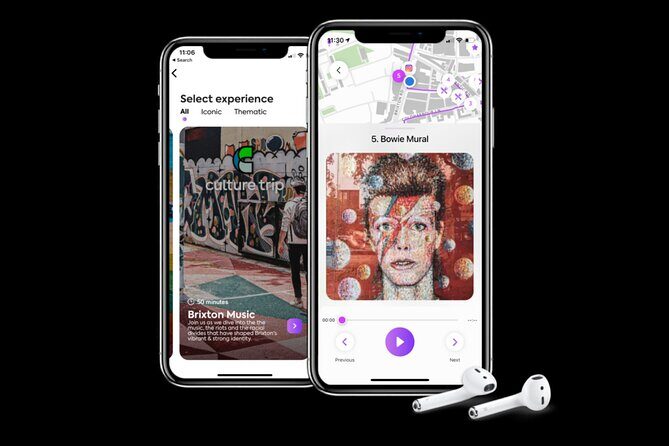
The walk begins at St Matthew’s Church, Brixton (Brixton Hill, London SW2 1JF), and it ends back at the meeting point. That round-trip structure is nice because you’re not left figuring out where you are at the end.
You’ll use a mobile ticket and access the audio from your phone. The catch: the experience is self-guided, so you do need to understand the app flow when you arrive.
Two tips that matter:
- Download the tour in advance so you can use offline mode when you’re on the street.
- Bring earphones and your own mobile device; neither is included.
If you rely on spotty connection, you’ll waste time troubleshooting. If you prep, the walk feels smooth and focused.
Stop 1: St Matthew’s Church and the Roots of Brixton Music

Your first stop sets the emotional and cultural baseline. St Matthew’s Church is where the audio frames the neighborhood’s beginnings and connects them to the growth of popular Brixton music movements and artists.
This is a good opening because it doesn’t start with famous names and call it a day. It gives you a sense of place first, then shows how music culture grows out of real communities.
If you’re the type who likes to understand why a neighborhood sounds the way it does, this stop is a great anchor. Even if you care most about the Bowie or clubbing parts, this early context helps the later stops land better.
Practical note: this segment is short (about 5 minutes), so expect an overview, not a seminar.
Stop 2: Dogstar and How Music Venues Change With Time

Next up is Dogstar, described as an iconic music venue that changed as times changed. That phrasing is useful because it prepares you for the big truth about music scenes: venues evolve, crowds evolve, and the neighborhood shapes what happens inside.
This stop is short, but it’s meant to keep you thinking about continuity. Even when a place shifts, the idea of music gathering still carries forward.
If you like photographing street-front venues, Dogstar is likely to give you a solid “this is the scene” view without you needing to know anything technical about the building.
You can also read our reviews of more guided tours in London






Stop 3: Brixton Market and Electric Avenue Meaning
Now you hit Brixton Market, with Electric Avenue as the focal point. You’re walking the kind of place that’s famous for a reason—and the audio ties the street name to its meaning, not just its lyrics.
This is where the tour becomes fun, especially if you already know the song. The audio helps you connect pop recognition to actual place. You’re not just hearing a reference—you’re learning what’s behind it.
Also, this is a good zone for slowing down. Market areas are often where you feel the mix of food, movement, and everyday life. If you want a quick photo and a short snack break, this is a good spot to do it since the stop segment is just about 5 minutes.
Stop 4: The David Bowie Memorial and His Brixton Trace

Then you pause at a David Bowie memorial linked to a Bowie mural. The tour gives you a tribute moment and a chance to connect one of London’s biggest pop icons to Brixton’s streets.
One review highlight specifically called out Bowie-related areas like his childhood connection, so the audio may include more than a single mural moment. Either way, the point stays the same: you’re taking a familiar name and grounding it in a neighborhood setting.
This is a great stop if you want an easy win—music history without reading a book in the rain. Just stand, listen, and look around. The surrounding streets help you understand how someone like Bowie could connect to a place like this.
Stop 5: Phonox and Clubbing Culture in Context
Next is Phonox, where you learn more about the legendary clubbing venue. Club history can get vague fast, but here the audio focuses on giving you a usable picture of what the venue represents within the larger Brixton sound.
Because it’s audio-only and short, you won’t leave with every detail. You’ll leave with a better sense of why people associate Phonox with a certain kind of nightlife energy.
If you’re planning to come back later for a show, this stop helps you see the venue as part of a timeline—not just a calendar event.
Stop 6: Windrush Square and Community Memory
The final stop is Windrush Square, where the audio turns toward the Windrush generation and their struggles. This segment is essential because it shifts the tour from music as entertainment to music as identity, survival, and community life.
I like that the tour doesn’t keep things on the surface. Windrush stories can be heavy, and the audio format handles that well by letting you take it in at your own pace without a crowd pressing you forward.
This also gives the walk emotional closure. You start with roots, follow music venues and famous names, and then end with the lived history underneath the neighborhood’s reputation.
Offline GPS, GPS Map, and How It Changes Your Day
This is one of the most practical features: offline mode with a GPS map. Download the tour ahead of time and you can follow the route without relying on WiFi.
That matters in London because signal quality varies block to block. When you don’t have to fight your phone, you can actually look up and enjoy what’s around you.
The GPS support also reduces stress. You’re not stuck trying to match tiny street signs to your memory. You’re using the map as a guide, then letting the audio tell you what to notice at each stop.
One more detail: the tour includes prompts for Instagram hotspots. That doesn’t mean it’s only about pictures. It means someone thought about where visual landmarks matter, so you’re more likely to notice the right corners.
Timing, Pace, and Why the 6 Stops Work
At about 50 minutes, this tour is designed for a quick but meaningful circuit. The average segment is about 5 minutes, which keeps it moving while still giving you time to read the street around you.
That pacing is ideal if you’re doing other London plans the same day. You can fit it between museums, a meal, or a transit stop without turning it into a half-day production.
Because it’s self-guided, you control the pace. If you want to linger at a mural or stand a little longer outside a venue, you can. If you’re tired, you can move on quickly and catch the next story beat.
Small Limits and Real-World Flow
Even though it’s self-guided, there’s a stated maximum group size of 10 travelers for the activity. That usually implies the provider aims for a smaller footprint and less chaos around the access window.
The more important real-world factor is your own tech readiness:
- charged phone battery
- downloaded audio for offline use
- earphones in your bag
If you come prepared, the tour feels like a clean set of chapters. If you come unprepared, you might spend time figuring out where to start.
That’s exactly why the “download before arriving” advice is so worth taking seriously.
Who This Audio Tour Is Best For
This works especially well for you if:
- you want a self-paced walk without booking a specific time with a guide
- you like music culture, but you also want community context
- you enjoy short stops that give you something to remember immediately
- you travel with a phone you’re comfortable using for navigation and audio
It’s also a good choice for people who want a guided feel without the pressure of group conversation.
If you hate app-based tours, or you only enjoy experiences with no tech setup required, you might find this frustrating. This is audio + phone, and the success depends on prep.
Mixed Feedback: What Could Go Wrong and How to Avoid It
There are a few clear pain points reflected in feedback.
Some people reported that they paid but never received an email link or instructions, and they couldn’t start the audio. Others said it was unclear how to launch the tour once they arrived. In both cases, the common theme is setup clarity and access to the app content.
Here’s how you protect yourself:
- keep an eye on your booking confirmation and any access messages
- download the tour before you reach the first stop
- test your audio once you’re settled, before you commit to the route
- bring earphones so you don’t lose time later
If something still goes wrong, the provider’s response in at least one case included issuing a refund after an issue was fixed. That doesn’t erase the frustration, but it suggests the system can be corrected.
Should You Book This Brixton Audio Tour?
I’d book it if you want a low-cost, high-structure way to explore Brixton’s music culture and community themes in under an hour. The combination of offline GPS, short stop stories, and major landmarks like Bowie-related memorial art, Electric Avenue, Phonox, and Windrush Square makes it a strong use of time.
I’d think twice if you’re expecting a fully human-led guided experience, or if you tend to arrive without charging your phone and without downloading offline content. This walk rewards prep.
If you’re the kind of traveler who likes to wander with a plan, take your time at key corners, and learn as you go, this is a great fit.
FAQ
How long is the Brixton self-guided music walking tour?
It runs about 50 minutes (approx.).
Is this tour self-guided or guided by a person?
It’s self-guided. The narration is provided through an audio tour with commentary by a local historian and musician.
Can I use the audio tour offline?
Yes. You can download the tour in advance to listen without WiFi, and the GPS map is location-aware.
What do I need to bring?
You’ll need a mobile device. Earphones are not included.
Where does the tour start and end?
It starts at St Matthew’s Church, Brixton (Brixton Hill, London SW2 1JF, UK) and ends back at the meeting point.
What is the cancellation policy?
Free cancellation is available. You can cancel up to 24 hours in advance for a full refund. If you cancel less than 24 hours before the start time, the amount paid is not refunded.