Hidden London isn’t about showy sets. It’s about real infrastructure you normally walk past—right under your feet. I love the walk-through-access to Dover Street’s concealed station spaces, and I especially enjoy how the guides connect the tube engineering to the human stories behind it. One heads-up: this tour takes you through low-lit, uneven, stair-heavy areas, so it’s not for everyone (and claustrophobia is a no-go).
Green Park may sound like a simple stop, but Dover Street Station has a different identity once you step into the parts most people never see. You’ll follow a guided route that includes former passageways, closed lift landings, and massive ventilation corridors where the architecture feels unexpectedly industrial. It’s a fun choice if you like transport, tunnels, or just seeing London’s hidden side without needing a special passport.
I’d also plan for comfort rules. You’ll need photo ID, no open-toed shoes, no large bags (there’s no cloakroom), and you’ll walk a lot on surfaces that aren’t designed for rolling suitcases. If you’re the type who hates stairs or waits until the last second to check your footwear, do that homework first.
In This Review
- Key Highlights You’ll Actually Feel in Your Bones
- What You’re Really Doing on This Green Park Hidden Tour
- Dover Street’s Story: From 1906 Design to the Green Park Name
- Entering Dover Street: The Station Hidden Inside the Station
- Ventilation Shafts and Tube-Track Glimpses
- Wartime Intrigue, Closed Lift Landings, and Old Passageways
- Stairs, Low Lighting, Uneven Ground: The Practical Reality
- Guides Who Make the Station Feel Like a Story
- Price and Value: Is $61.71 Worth It?
- What to Bring (and What to Leave Behind)
- Who Should Book This Tour (and Who Should Skip It)
- Should You Book the Hidden Tube Walking Tour of Green Park Station?
- FAQ
- How long is the Green Park Hidden Tube Walking Tour?
- Where does the tour start, and does it end nearby?
- What’s the tour language?
- How many people are in a tour group?
- What should I bring for the tour?
- Are there any restrictions on bags or luggage?
- Is the tour step-free or elevator accessible?
- Is the tour suitable for children?
- Can I cancel and get a refund?
Key Highlights You’ll Actually Feel in Your Bones
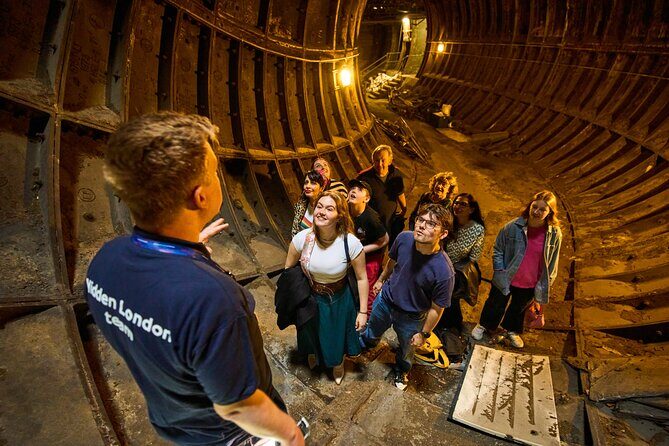
- Hidden Dover Street station spaces inside Green Park, with decades-old sections kept out of daily passenger flow
- Ventilation shafts and corridors that make great photos and even better “how does this work?” moments
- Tube-track views that show the station as an operating machine, not just a building
- Former passageways and lift landings that hint at how the network evolved—and what wartime plans changed
- Small groups (max 18) with enough space for stops, questions, and picture time
- Guide-led storytelling with named guides like Colin, Sarah Jane, Pat, Sophie, and Gary bringing the station to life
What You’re Really Doing on This Green Park Hidden Tour
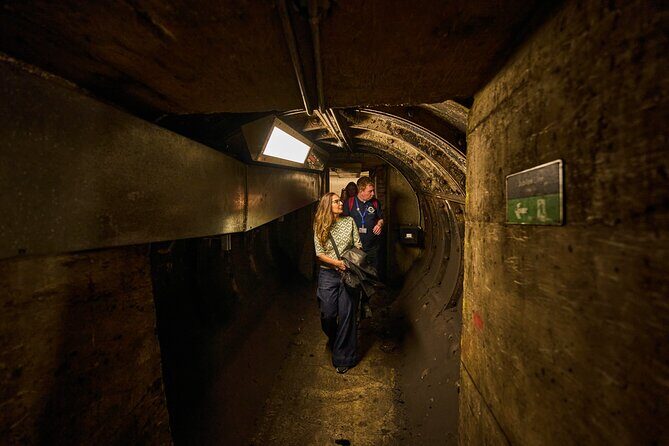
This isn’t a museum tour where you stand and listen behind glass. You’re walking through working station territory and into spaces that are part of the station’s past and present systems. The core appeal is the “how it’s built” feeling: you see corridors, shafts, and junctions that explain how the Underground moves people, air, and power.
The route is guided start-to-finish, which matters because these are not places you’d find by wandering. The guide keeps you oriented while you move between public areas and the less-used back-of-house spaces.
And yes, there’s plenty of London weirdness. One moment you’re in a normal Underground station rhythm; the next you’re staring at large ventilation infrastructure and thinking, okay, this is why trains don’t turn into a sealed tube sauna.
You can also read our reviews of more walking tours in London


Dover Street’s Story: From 1906 Design to the Green Park Name
The big “why this place matters” starts with the station’s origin. Dover Street Station opened in 1906 and was built to serve the Great Northern, Piccadilly and Brompton Railway, including what you now know as today’s Piccadilly line. It sits near Mayfair, with three Royal Parks close by, which helped it become one of the busiest stations on its line.
At some point, the name didn’t feel right for what was happening around it. In 1933, the station was renamed Green Park, the name you’ll recognize now.
On the tour, this background isn’t just trivia. It gives you a framework for what you’re seeing: older layouts, repurposed spaces, and design choices that were made when the Underground was still figuring out how to scale up. When you hear how and why the station changed, the hidden corridors feel less random and more like chapters in an ongoing build-out.
Entering Dover Street: The Station Hidden Inside the Station
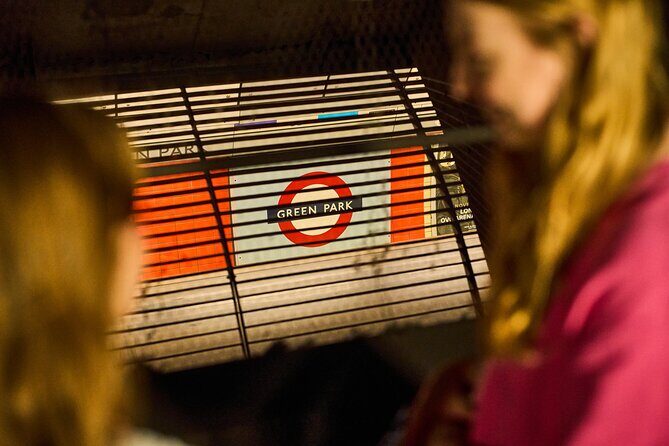
The tour theme is simple: you’re going into Dover Street, but it’s hidden within Green Park. You’ll move through parts of the station that many people never realize exist, including former passageways that have been closed to passengers for decades.
You should expect the experience to feel practical and slightly “operational.” The spaces can be tight, the lighting isn’t always bright, and the route is designed around movement rather than comfort. The payoff is that behind-the-scenes feeling you only get when you’re actually walking through the bones of a transport system.
One detail I like is that the tour doesn’t treat these spaces as spooky props. It frames them as functional parts of the Underground—places connected to how trains run, how people circulate, and how stations manage air.
Ventilation Shafts and Tube-Track Glimpses
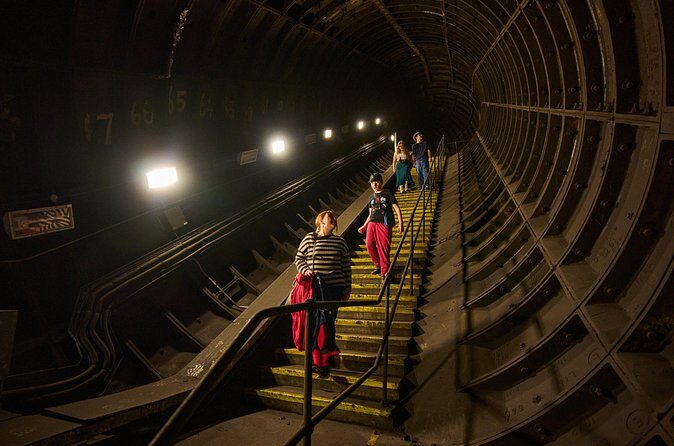
If you come for one thing, make it ventilation. The tour highlights include walking close to or into areas where you can see ventilation tunnels and large shafts that are normally out of view. Even if you’re not an engineering fan, they look bigger than you expect—and the scale makes the Underground’s logistics feel real.
You’ll also get chances for views of the current tube from a unique angle. That’s where the tour’s energy shifts from history to present-day function. Instead of only talking about what used to be there, the guide helps you connect the older infrastructure to the line still running below.
Photo lovers often do well here because the route gives you moments where you can capture angles and contrast: classic Underground details beside industrial ventilation structures. Just remember the basics—no food or drinks, and keep moving when the group needs to reposition.
Wartime Intrigue, Closed Lift Landings, and Old Passageways
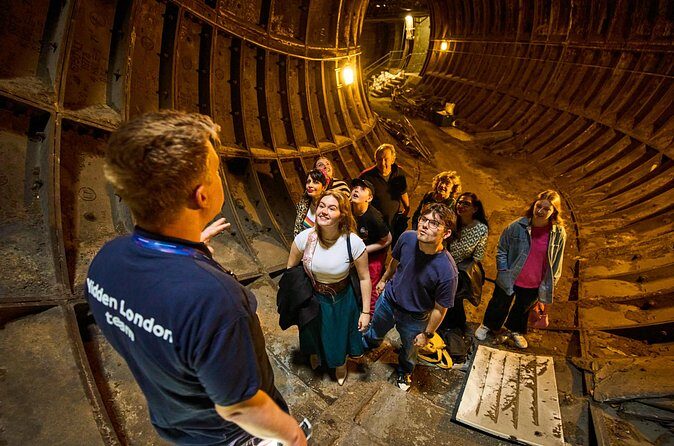
One of the most interesting parts of the experience is the way the guide threads in wartime stories and repurposing. You’ll hear about wartime intrigue and see spaces tied to that period, including areas that have been closed to passengers for a long time.
A standout element is the mention of lift landings that have been closed off for decades. Those kinds of features make you pause, because they look like they belong to a different station life—one where access and movement were handled differently than today.
You’ll also see former passageways—the sort of corridors that make you wonder what the daily flow used to look like. Were these routes faster? Safer? Built for different passenger patterns? The best part is that the tour gives you enough context to start guessing, without pretending everything is perfectly documented.






Stairs, Low Lighting, Uneven Ground: The Practical Reality
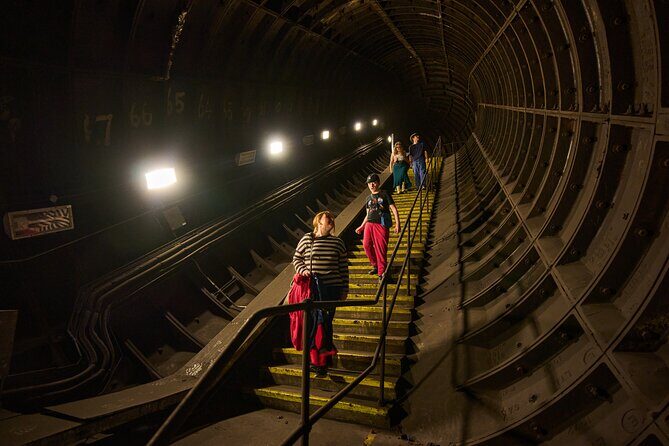
This is where you decide if the tour fits your body and your comfort level.
The tour involves a lot of walking and includes uneven ground and low lighting. It is also not step-free. You’ll be going up and down flights of stairs, and there’s no elevator. If you’re managing knee issues, plan extra carefully; if stairs make you grumpy fast, you may not enjoy this.
One review-specific detail that can help you plan: at least part of the route includes about 56 steps, though it sounds like you can choose not to descend that section if you don’t want to. Still, the overall message is the same: bring good shoes, move at your pace, and don’t treat it as a light stroll.
Also skip it if you have claustrophobia. The tour involves narrow, enclosed-feeling areas and low visibility. If that’s a factor for you, trust your instincts and pick a different Hidden London option that stays more open.
Guides Who Make the Station Feel Like a Story
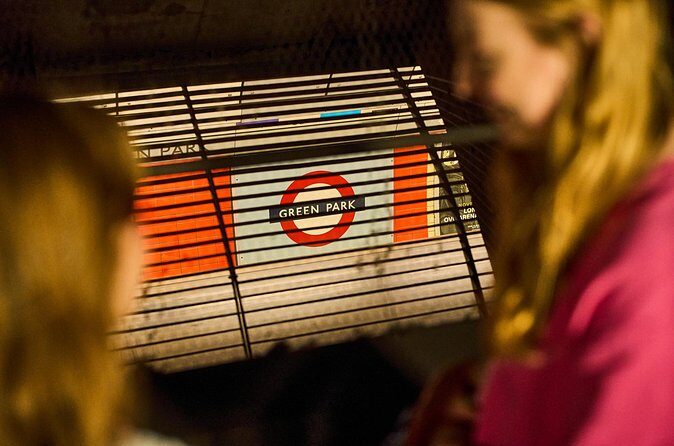
A huge part of the value here is how the guides teach. You get more than dates and facts; you get a guided narrative that helps you understand why these areas exist and what purpose they served.
From group experiences, I’ve seen guides praised by name for energy and humor. Guides such as Colin and Sarah Jane were noted for bouncing knowledge between them, while Andrea helped cover details and keep everyone together. Other runs also mention Sophie, Gary, and Pat, with Pat especially recognized for a good sense of humor.
That matters because the tour’s spaces are physical and sometimes dim. A guide who can keep the story flowing makes it easier to follow the route and notice the engineering details you’d otherwise miss.
If you like asking questions, small group size helps too. With a maximum of 18 travelers, you’re less likely to be ignored at the back when you want to know how something worked.
Price and Value: Is $61.71 Worth It?
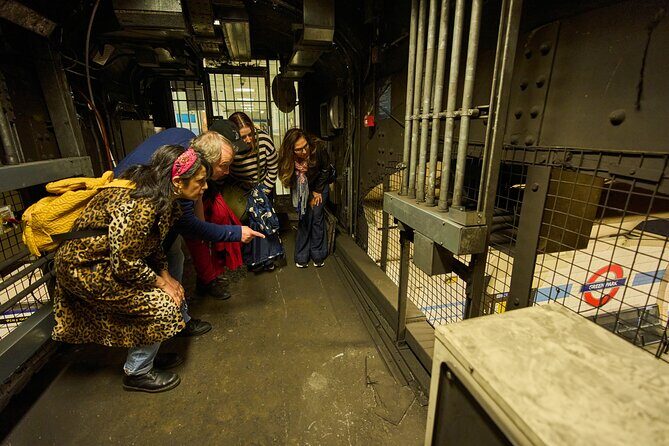
At $61.71 per person, you’re paying for access and for a guided experience inside operational transport infrastructure—not just sightseeing. For that price to feel fair, you need to want the behind-the-scenes angle: ventilation, corridors, track views, and the station’s hidden layout.
Here’s the honest balance. When the tour clicks, it feels like a rare chance to see London from the Underground’s internal logic. The ventilation shafts, behind-closed-door spaces, and the chance to watch trains from a different perspective can make the ticket feel like paying for something you can’t recreate on your own.
When it doesn’t click, disappointment tends to come from expectations. Some people felt the spaces were more like worn corridors than dramatic sets, and they wanted more to see for the money. If you’re hoping for a spotless, museum-style walkthrough, adjust expectations now. Think: real infrastructure, sometimes dusty, sometimes utilitarian, and the story is the main “spark.”
If you’re more of a transport geek or you love engineering-adjacent travel, this is the kind of tour that can seriously hit the sweet spot.
What to Bring (and What to Leave Behind)
Plan your day like you’re going into a working station space, not a casual stroll.
Bring photo ID. Bring shoes with coverage—open-toed shoes aren’t allowed. You also can’t bring large luggage or bags, and there’s no cloakroom, so keep your load light.
The tour also says no food or drinks on the tour. That’s not just a rule; it matters because the spaces can be low-light and confined. You’ll move through areas where eating would slow down the group and clutter shared space.
One more practical point: the tour is offered in English, lasts around 1 hour 20 minutes (approx.), and runs with a guide-led pace. If you like to linger for pictures, you may enjoy the photo time, but keep in mind the group needs to reposition as the route changes.
Who Should Book This Tour (and Who Should Skip It)
This tour fits best if you fall into any of these categories:
- You love London’s transit history and want to see how design choices show up underground
- You’re curious about engineering details like ventilation and how stations function
- You enjoy a guided walk where the story matters as much as the sights
- You want a rare experience most Londoners never get to see, even if you’ve been to Green Park before
I’d skip it if you:
- Need step-free access (the tour is not step free and includes stairs)
- Have claustrophobia
- Are traveling with kids who may have trouble with long walking and enclosed spaces (the tour isn’t suitable for children under 10)
- Have very limited mobility or get stressed in low-lit environments
For families: there’s a rule that only a maximum of four children aged 10–15 per adult is allowed, and the tour has a maximum group size of 18 travelers. That helps keep the tour controlled, but it also means it can feel structured.
Should You Book the Hidden Tube Walking Tour of Green Park Station?
Book it if you want the Underground as a real system—airflow, tunnels, hidden layouts, and the station’s evolution from 1906 Dover Street roots to today’s Green Park name. The ventilation access and tube-track viewpoints are the kind of experiences you can’t easily recreate on your own, and the guide-led storytelling can make the whole route feel like a clever backstage pass.
Don’t book it if you’re looking for a clean, bright, easy walking experience or if stairs and low light will stress you out. Also, be honest about what you want: if you only care about dramatic sights, this is more “engineering tour” than “theme-park tour.”
My advice: treat it as a focused hour-plus inside London’s working infrastructure. If that sounds fun, you’ll likely leave smiling and pointing at ducts like you just discovered a new favorite landmark.
FAQ
How long is the Green Park Hidden Tube Walking Tour?
It runs for about 1 hour 20 minutes.
Where does the tour start, and does it end nearby?
The tour starts at Green Park Station, London W1J 9DZ, UK, and it ends back at the meeting point.
What’s the tour language?
The tour is offered in English.
How many people are in a tour group?
The tour has a maximum group size of 18 travelers.
What should I bring for the tour?
You’ll need to bring photo ID. You should also wear shoes suitable for walking because open-toed shoes aren’t allowed.
Are there any restrictions on bags or luggage?
Yes. No food or drinks are allowed, and you should not bring luggage or large bags because there’s no cloakroom.
Is the tour step-free or elevator accessible?
No. The tour is not step free, includes stairs, and there is no elevator.
Is the tour suitable for children?
It’s not suitable for children under 10. There is also a limit of up to four children aged 10–15 per adult.
Can I cancel and get a refund?
You can cancel for a full refund up to 24 hours before the experience start time. If you cancel less than 24 hours before, the amount paid is not refunded.