A Thames stroll with big-name sights. This small-group London walk (max 12) connects the London Eye with Big Ben and beyond, and you’ll get stories & history that make the landmarks feel real, not just postcard labels. One heads-up: it’s a walking route, so if you’re prone to sore feet, plan for some leg burn.
I like how the tour gives you quick geographic “handles” for future exploring—Westminster on one side, the City on the other, all tied together by the Thames. The big drawback is time: at 1 to 2 hours, stops are brief, so you’ll see a lot but you won’t linger like you would on a standalone museum visit.
In This Review
- Key Things I’d Book This For
- London Eye to London Bridge: the “Thames map in motion”
- Meeting Point at The Golden Carousel (Queen’s Walk) and how the route flows
- Stop by Stop: what makes each landmark moment worth your time
- Starting with London Eye, Big Ben, Houses of Parliament, and New Scotland Yard
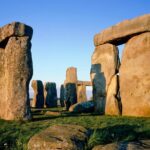
- The oldest monument in London: a quick meaning-shift stop
- Westminster to the City: seeing both worlds from one route
- Walking the Thames for views of the river and London’s icons
- St Paul’s Cathedral, Shakespeare’s Globe, and Millennium Bridge
- Shakespeare’s Globe Theatre and the original Globe that burned down
- Passing the ancient market, the Golden Hind, and Winchester Palace
- Final stop at London Bridge
- Guide energy and why small groups make the stories land
- Price and value: is $94.65 for 1 to 2 hours worth it?
- Who should book this (and who might skip it)
- A few tips to get the most from your Thames walk
- Should you book the London Eye to London Bridge River Walk?
- FAQ
- How long is the London Eye to London Bridge river walk?
- What’s the group size for this tour?
- What language is the tour offered in?
- Where does the tour start and where does it end?
- What is included in the price?
- What isn’t included?
- Do I need a ticket for Shakespeare’s Globe Theatre or London Bridge?
- Is it a walking tour, and what fitness level is needed?
- Are service animals allowed?
- What’s the cancellation policy?
- When will I receive confirmation after booking?
Key Things I’d Book This For
- Max 12 people means more questions and a calmer pace than mass tours
- Thames orientation helps you map Westminster vs. the City fast
- Story-led landmark stops keep you moving with context, not just photos
- St Paul’s, Shakespeare’s Globe, and Millennium Bridge show up in one efficient route
- Free-admission style stops for the Globe area and London Bridge viewing points
London Eye to London Bridge: the “Thames map in motion”
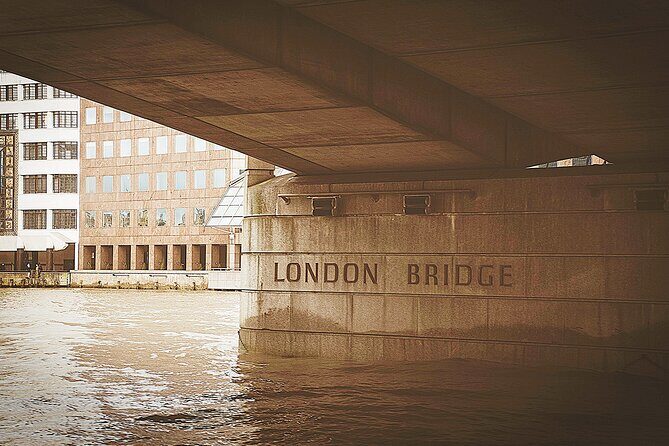
This is the kind of tour that helps you stop feeling lost. You start near the London Eye and end at London Bridge, and along the way you’re guided through a string of landmark clusters that usually feel separate when you visit them on your own.
The value here is not just that you’ll hit famous names. It’s that you’ll learn how the Thames corridor stitches together two distinct parts of London: Westminster and the City of London. Once you understand that contrast, planning the rest of your trip gets easier.
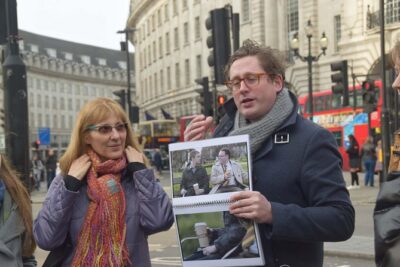
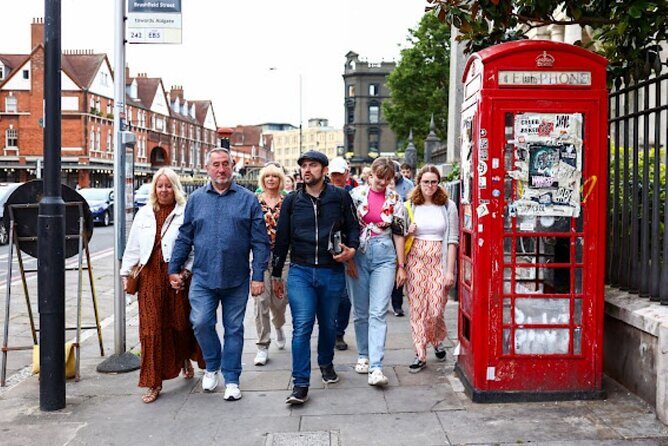
Also, the small group size matters. With a maximum of 12, you’re not stuck staring at the back of someone’s hat. You get room to ask questions, and the guide can keep the stories moving without the whole group needing to stop every two minutes.
You can also read our reviews of more walking tours in London


Meeting Point at The Golden Carousel (Queen’s Walk) and how the route flows
The tour starts at The Golden Carousel, The Queen’s Walk, London SE1 7PB, and it finishes at 1 Tooley St, London SE1 2PF, right by London Bridge station. That end point is handy: London Bridge is a transport hub, so you can roll straight into dinner or hop on the next thing.
You’ll be walking along the South Bank area early on, which is one of London’s easiest “starter zones.” If you’re fresh off a flight, this route also does a great job of getting you outside quickly. There’s enough motion to reset your body clock, but it’s still a short window (about 1 to 2 hours).
Practical tip: wear shoes you can walk in for a while. Even if the tour is not long, it’s long enough to make your feet notice it—especially if you start with sightseeing fatigue.
Stop by Stop: what makes each landmark moment worth your time
Starting with London Eye, Big Ben, Houses of Parliament, and New Scotland Yard
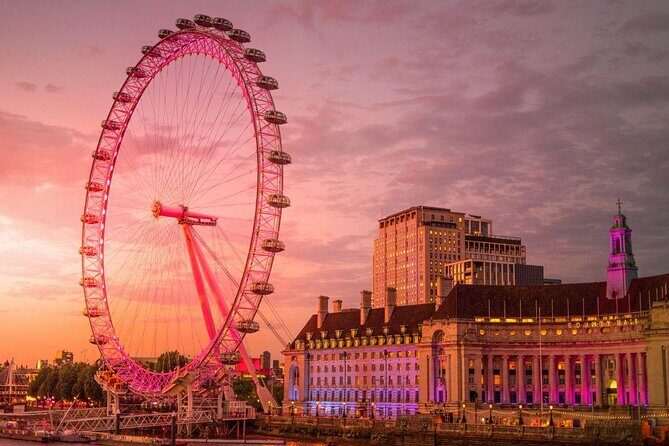
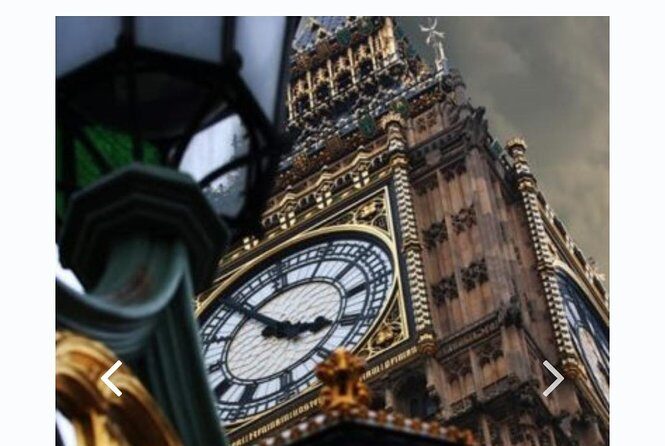
The early section is built to orient you right away. You get a packed introduction that includes the London Eye, Big Ben, Houses of Parliament, and New Scotland Yard.
What I like about this kind of opening is that it covers the “headline” skyline in one go. If London feels like one giant blur in photos, this is your chance to connect names to locations—fast. It also sets up the rest of the walk because you’ll keep seeing the Westminster-City relationship show up again and again.
Possible drawback: these first views are famous for a reason, so expect crowds nearby. The tour’s pacing helps, but you’re still in the middle of the action.
The oldest monument in London: a quick meaning-shift stop
Midway, there’s a stop described as the oldest monument in London. You’re not just grabbing a selfie here—you’re getting a moment that slows the story down.
In a short tour, that’s important. It’s easy for a walking route to become a checklist. This kind of stop adds contrast: modern politics and megastructures on one hand, deep-time London on the other.
You won’t have hours to examine details, but you’ll leave with a new question in your head—what that monument represents in the longer timeline of the city.





Westminster to the City: seeing both worlds from one route
From there, you get views of both Westminster and the City of London. This is where the tour earns its keep. The City can feel like a separate destination from Westminster—different architecture, different tempo, different vibe.
Having someone connect those dots while you’re physically moving makes it stick. You’ll start to notice why people treat these areas differently on itineraries, even though you can cross between them in minutes.
If you like self-guided exploring later, this is exactly the setup you want. It gives you a mental map so your next walk makes sense.
Walking the Thames for views of the river and London’s icons
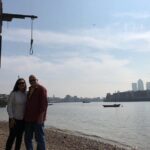
Then comes the part that makes the whole route feel like more than landmarks: you take in river views while walking past a major London icon. The Thames is the thread, and once you’re on it, the city suddenly reads like a story with direction.
This is a great moment if you’re the type who likes to understand how a city works. You’re seeing the “why” behind the arrangement—why people built here, why these areas evolved the way they did, and why Thames-side neighborhoods keep showing up on postcards.
Time-wise, it’s efficient. You get the outdoors and the scenery without losing your day.
St Paul’s Cathedral, Shakespeare’s Globe, and Millennium Bridge
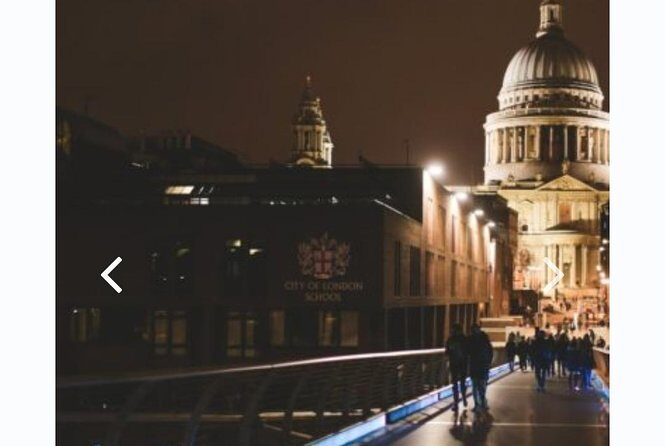
Another key stretch lines up big symbols in one sweep: St Paul’s Cathedral, Shakespeare’s Globe Theatre, and Millennium Bridge.
This is where the tour shifts from “look at famous buildings” into “understand why this cluster matters.” St Paul’s gives you scale and gravitas. Millennium Bridge adds a modern contrast you can’t miss. And the Globe ties you to London’s cultural DNA—right where theatre history lives in the streets.
If you’re only doing a short London trip, this combination is a smart use of time. You’re covering several top photo stops without needing separate transport plans.
Shakespeare’s Globe Theatre and the original Globe that burned down
You then get a dedicated moment at Shakespeare’s Globe Theatre. The stop also includes a little-known aspect tied to the original Globe Theatre that burned down, pointing you toward a deeper layer than the usual “this is famous” explanation.
Even though the visit window is brief (around 10 minutes), the payoff is the context. It helps you look at the building as a continuity—how theatre tradition survived, changed, and got rebuilt.
And yes, the stop notes admission ticket free, so you’re not pressured into last-minute ticket purchasing.
Passing the ancient market, the Golden Hind, and Winchester Palace
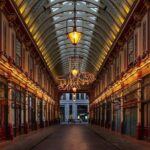
Near the end, you pass by an ancient market, plus stops associated with the Golden Hind and Winchester Palace. This is the portion that feels less like a museum line and more like a “London by foot” experience.
These are the kinds of details that make your photos better later. When you can name what you’re seeing, you stop snapping random angles and start framing meaningful scenes.
This section also keeps the walk interesting if you’ve already seen the biggest skyline hits earlier. It’s a helpful shift from iconic landmarks to character-rich historic corners.
Final stop at London Bridge
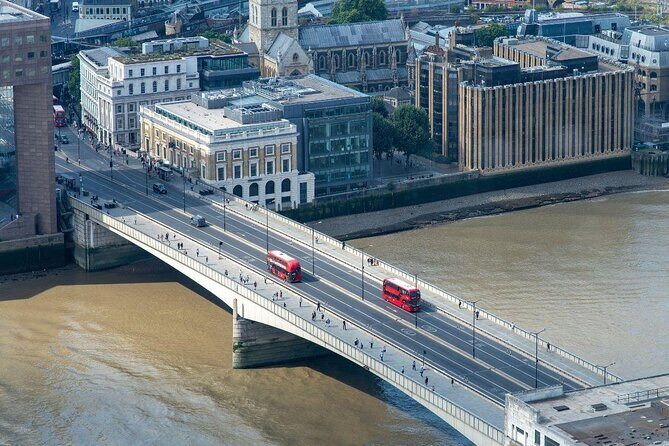
The tour finishes at London Bridge, with another noted 10-minute stop and free admission ticket style viewing. London Bridge is one of those places that’s always busy, but it also works as a clean finish line: you know where you are, you can easily catch transit, and you can decide what to do next.
If you like closing your day at a major landmark, this is a strong ending point.
Guide energy and why small groups make the stories land
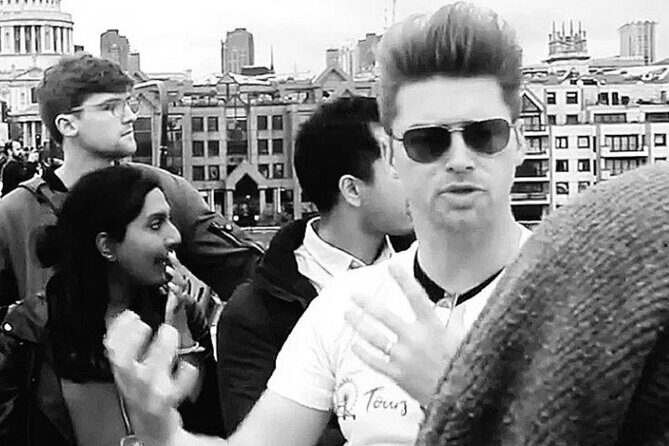
The standout theme across the experience is the guide’s ability to keep momentum while still answering questions. A guide named Chris is specifically mentioned for being funny, warm, and interesting, even when the group was jet lagged and exhausted.
That detail matters more than it sounds. Jet lag makes people cranky and forgetful. A guide who can keep things lively and clear helps you actually enjoy your time instead of mentally checking out.
Also, for anyone who likes asking why something matters, this format works. A max of 12 helps your questions get answered instead of getting lost in a crowd.
Price and value: is $94.65 for 1 to 2 hours worth it?
At $94.65 per person, this is not a “cheap-and-cheerful” walk. But it’s priced like a guided experience that compresses a lot into a short time.
Here’s what you’re paying for, in plain terms:
- A tight route from London Eye area to London Bridge with major Westminster and City sights connected
- Stories & history included, which is the difference between wandering and actually learning
- A small group of max 12, which helps the guide keep it personal
- Mobile ticket convenience, so you’re not juggling paper tickets
It’s also worth noting what’s not included: gratuity. So budget a little for tips if you feel the guide earned it.
If your goal is to do a fast, guided orientation and then roam on your own afterward, the price starts to feel reasonable. If your goal is deep time at a single site, you might feel the stops are too short—and you’d be better mixing this with a longer, ticketed activity later.
Who should book this (and who might skip it)
This tour fits best if you:
- Want a short London walking plan that hits top landmarks without full-day planning
- Like context—you want history and culture woven into what you see
- Appreciate small groups and having a chance to ask questions
- Need a quick Thames orientation for planning the rest of your trip
You might skip it if you:
- Need long sit-down time at major sites (this is brief by design)
- Have very low walking tolerance, since your feet will feel it by the end
- Expect a museum-style visit where you can linger deeply at one location
A few tips to get the most from your Thames walk
- Bring water and plan a snack stop after. The tour is short, but London days can run long.
- Take one or two “wide angle” photos early, then switch to detail shots later. The route has enough variety for both.
- If you’re travelling solo, you’ll probably enjoy the small group dynamic more than you would on a large tour.
- If you want to continue exploring afterward, London Bridge station is a practical launchpad for your next leg.
Should you book the London Eye to London Bridge River Walk?
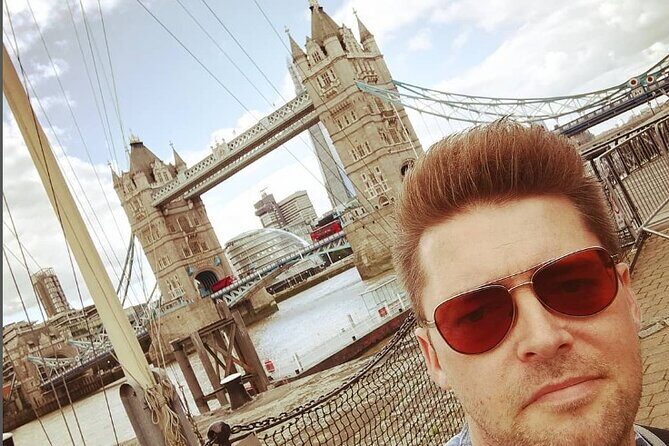
If you want a guided route that helps you understand London’s layout—Westminster vs. the City, and how the Thames ties it together—this is an easy yes. The small-group size, the story-led approach, and the clean London Eye to London Bridge flow make it a solid first or middle-of-trip activity.
I’d say book it when you’re aiming for momentum: you want to get oriented fast, see major landmarks without over-planning, and then keep your day flexible. If you prefer long stays at single sights, pair this with another longer activity so you’re not trying to do everything in one short walk.
FAQ
How long is the London Eye to London Bridge river walk?
The duration is listed as approximately 1 to 2 hours.
What’s the group size for this tour?
The experience has a maximum of 12 travelers.
What language is the tour offered in?
The tour is offered in English.
Where does the tour start and where does it end?
It starts at The Golden Carousel, The Queen’s Walk, London SE1 7PB and ends at 1 Tooley St, London SE1 2PF, finishing at London Bridge next to London Bridge station.
What is included in the price?
The experience includes stories & history.
What isn’t included?
Gratuity is not included.
Do I need a ticket for Shakespeare’s Globe Theatre or London Bridge?
The stops are noted as admission ticket free for Shakespeare’s Globe Theatre and for London Bridge, so you’re not expected to buy paid admission for those quick segments.
Is it a walking tour, and what fitness level is needed?
It’s a walking experience and the info notes a moderate physical fitness level is recommended.
Are service animals allowed?
Yes, service animals are allowed.
What’s the cancellation policy?
You can cancel for a full refund if you cancel up to 24 hours in advance of the experience’s start time. The tour also has a free cancellation option listed.
When will I receive confirmation after booking?
Confirmation is received at the time of booking, unless you book within 12 hours of travel, in which case confirmation is received as soon as possible subject to availability.