REVIEW · LONDON
Private Walking Tour: Jack The Ripper and East End
Book on Viator →Operated by Richards Tours · Bookable on Viator
A street of shadows turns real fast. This private Jack the Ripper walking tour sends you through London’s East End with the crowd energy turned down and the story turned up. I like that it’s not just theory and photos, but a focused route through places tied to the murders. The setting is Whitechapel, both historically rough-edged and now in major regeneration.
I also like the practical side: you get hotel pickup and drop-off, plus you’re walking key sights on foot at an unhurried pace. The tour runs about 3 to 3.5 hours, so you get enough time to connect locations to the case without spending your whole day in transit. If you’ve got limited time in London, that’s a smart length.
One thing to consider is the subject matter. This is built around violent crimes, including mutilation, and the guide will discuss physical evidence like the Goulston Street Graffito and a bloodstained apron tied to Catherine Eddowes. If you prefer lighter sightseeing, this route may feel heavy.
In This Review
- Key things to know before you go
- Why the East End still feels tense on foot
- Private format, hotel pickup, and what 3 to 3.5 hours gives you
- Stop 1: Whitechapel around Aldgate East Station
- Stop 2: Spitalfields Market (and the fear after dark)
- Stop 3: Fournier Street and Ten Bells, where Mary Kelly is tied in
- Stop 4: Mitre Street and Mitre Square’s short, dark timeline
- Stop 5: Goulston Street and the Graffito that keeps coming up
- A Victorian-era pub finish (and how to extend the day)
- Price and logistics: is $108.13 good value?
- Who this tour suits best
- A quick word on guides and pacing
- Should you book this Jack the Ripper East End walk?
Key things to know before you go
- Private group experience means only your party joins the walk, with a guide you can actually ask questions to
- Hotel pickup and drop-off removes the biggest hassle in East London
- Stops stay close together, with a walking route through Whitechapel, Spitalfields, and nearby streets
- You’ll hit classic case-linked locations, including The Ten Bells and Mitre Square
- The tour includes debate points, especially around short timelines and the Goulston Street markings
- You can choose morning or afternoon, which helps if you do not want an all-night experience
Why the East End still feels tense on foot
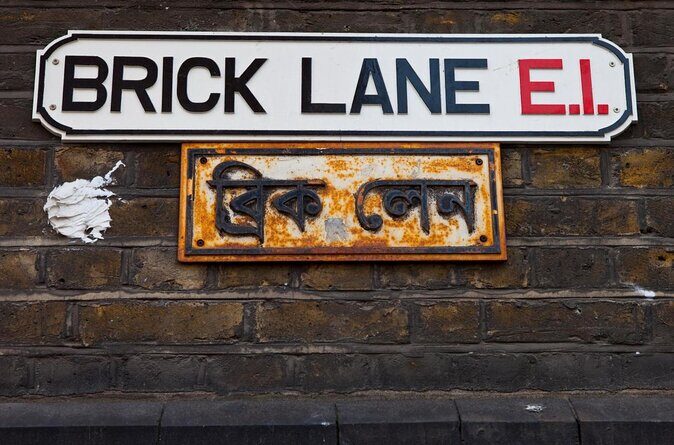
Whitechapel has changed a lot since 1888, but it still has that layered feeling where old London and new London share the same street. That’s part of why this tour works. You’re not only learning names and dates; you’re seeing how the neighborhood’s shape and streets connect to the story people still argue about.
Your walk starts at Aldgate East Station (Stop E), and from there you go directly into the “heart of Whitechapel” on foot. The guide frames the East End as a place shaped by deprivation in the past and large-scale regeneration now. That context matters, because the case didn’t happen in a vacuum. Even if you’re not a crime buff, you’ll understand why the area’s conditions mattered to police, witnesses, and fear.
And yes, the content is grim. But it’s handled as history and evidence, not shock. The point is to help you connect locations, testimony, and artifacts so you can form your own opinion about an unsolved crime that has stayed famous for well over a century.
You can also read our reviews of more walking tours in London



Private format, hotel pickup, and what 3 to 3.5 hours gives you
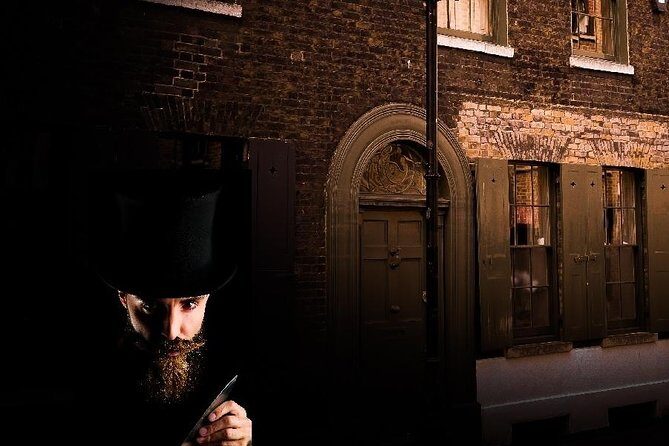
This is a private walking tour, so you’re not getting a crowded herd experience. You can move at the pace your guide sets, and your group can ask follow-ups when something matters to you. For a case like Jack the Ripper, the details are what keep you engaged: short time windows, witness accounts, and what (and didn’t) survive physically.
The timing is also right for most visitors. Expect about 3 to 3.5 hours, with several stops planned for walking and explanation. The route is built around short, efficient segments, which helps if you want to see the East End but still do other things later in the day.
Two practical perks make a difference:
- Hotel pickup and drop-off are included, so you’re not fighting with taxis or figuring out how to get back at the end.
- The tour includes a mobile ticket, which is one less thing to manage in London.
A balanced reality check: the tour includes pickup/drop-off, but food and drinks aren’t included, and transportation to/from attractions beyond the walk itself isn’t listed as included. So if you’re planning a day around it, I’d budget for a meal after (or before) the walk and bring water where you can.
Stop 1: Whitechapel around Aldgate East Station
You start at Aldgate East Station (Stop E) and walk into Whitechapel’s core. This first section sets the tone: what the East End meant historically, why it was often described as deprived, and how it’s being reshaped today.
From there, your guide points out key Ripper-linked locations, then moves into the story of the case and the people involved. This matters because early on, you’re learning how to think like a detective (or at least like a historian): What’s known? What’s uncertain? What was reported then, compared to what people say now?
The tour also gives you a reason to pay attention beyond the name Jack the Ripper. Whitechapel is a real neighborhood with real streets and routines. When the guide talks about murders connected to this area, you’re also absorbing why the area’s conditions could turn an ordinary night into panic.
How to make this stop work for you: wear shoes you trust. This part is on foot, and East London streets can be uneven and a little wet in typical London weather. If it’s colder or windy, you’ll feel it more while standing around for explanations.
Stop 2: Spitalfields Market (and the fear after dark)
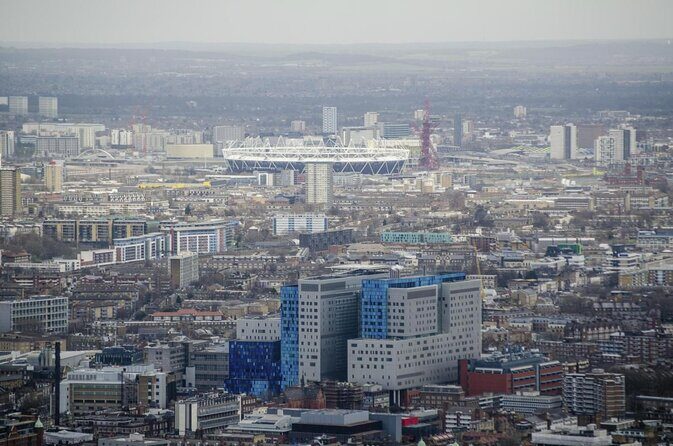
Next you head to Spitalfields Market (E1). The idea here is contrast: Spitalfields in 1888 wasn’t trendy and creative. It was different, and the tour frames how police feared going in after dark. That fear isn’t just atmosphere. It helps explain why witnesses, reporting, and response could get messy.
This section includes surviving buildings and murder sites, plus your guide shares witness testimonies from the time. That’s a big deal for a case built on incomplete information. Witness accounts are the backbone of a lot of theories, and this tour tries to show you the human side of those statements, not just the sensational headline version.
You’ll also get a chance to pause and think. By the time you reach Spitalfields, the story has enough pieces that you can compare your impressions: does one theory fit better with the streets and timelines, or does another explanation leave more questions?
Potential drawback to keep in mind: if you’re expecting a purely factual, courtroom-style experience with no interpretation, the tour’s focus on debate points may frustrate you. This experience leans into discussion because the case itself does.
Stop 3: Fournier Street and Ten Bells, where Mary Kelly is tied in
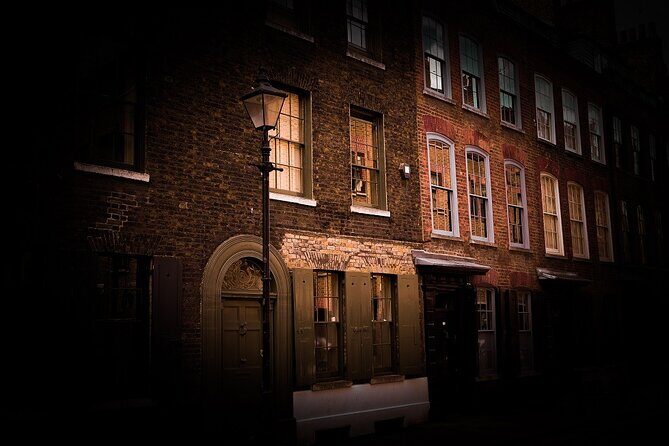
Your route then shifts to Fournier Street, which connects to the area’s earlier life as Huguenot silkweavers fled persecution in France. In the late 1800s, that community presence gave way to other realities, including places that became doss houses (shared lodging spaces that could be crowded and insecure).
This stop also brings you to one of the most famous local pubs tied to the case: The Ten Bells. The tour specifically notes that the interior is largely the same as it was back then. Even if you don’t care about pubs, this is where history feels tactile. People in 1888 had habits, routines, and regular places to go, and the tour connects those routines to the victims’ known social world.
It also links Mary Kelly to the pub area. The tour highlights that her lodgings were across the street. That small detail is powerful because it turns a name in a file into a person with a daily setting—where she ate, waited, and moved through the neighborhood.
What I’d pay attention to here: how your guide ties the evidence and timelines to human geography. If you only listen for the big shocking moments, you’ll miss why the case still sparks debate.
You can also read our reviews of more private tours in London



Stop 4: Mitre Street and Mitre Square’s short, dark timeline
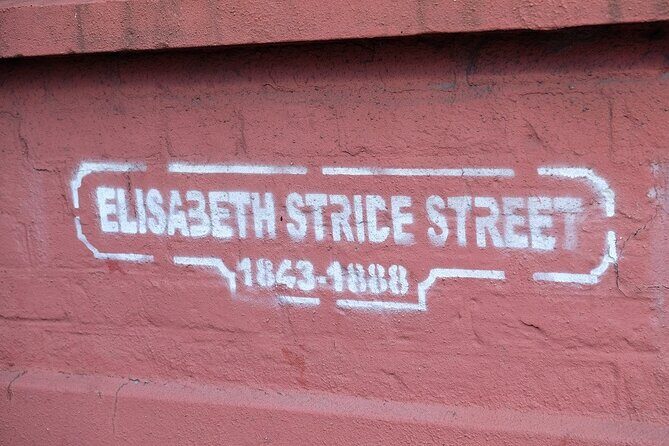
From Fournier Street you move toward Mitre Street and Mitre Square. The tone gets darker here, because this is where the tour places the murder of Catherine Eddowes. It’s described as a pitch-black, cobbled square, and the guide explains how the attack is tied to a very short timeline.
That short window—less than 15 minutes—is one of the most argued points in Ripper talk. Ripperologists debate how someone could manage the level of violence in that time and still vanish without raising immediate alarm. This is where the tour becomes less like a simple storybook and more like a live puzzle.
My practical advice for this stop: don’t rush it. Even if you’re eager to move on, take a moment to picture movement through a small square and the visibility limits of darkness. If you can visualize that, the debate points become more meaningful rather than just trivia.
Stop 5: Goulston Street and the Graffito that keeps coming up
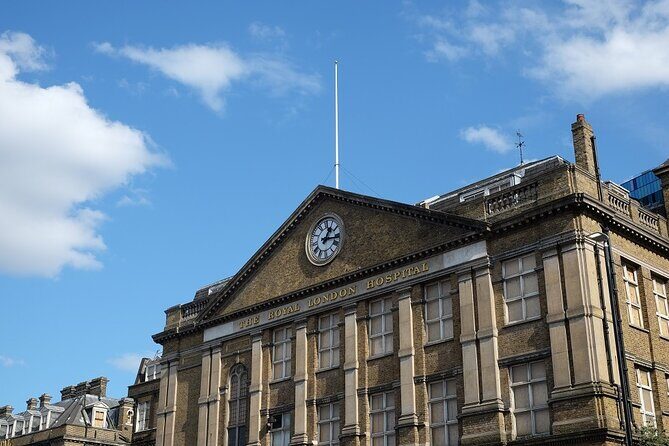
Next you reach Goulston Street, where the tour focuses on physical evidence that was left behind in small amounts. The key item is the Goulston Street Graffito, which is among the most debated artifacts connected to Catherine Eddowes.
The tour explains that a piece of bloodstained apron was found in a doorway on Goulston Street, and above it there was chalk writing that people often connect to Jack the Ripper. Your guide doesn’t ask you to accept one theory blindly. Instead, the discussion is aimed at facts—then the arguments—so you can decide what you think the evidence really means.
This stop is short, but it’s memorable because it forces you to confront a key issue: with a famous unsolved crime, symbolism and interpretation can spread faster than proof. If you want a tour that helps you separate what’s recorded from what’s assumed, this part is the payoff.
If you’re the type who likes to go home and read more, you’ll likely leave with a few specific questions you want answered—especially around how the chalking was understood at the time.
A Victorian-era pub finish (and how to extend the day)
The tour’s planned ending point is a Victorian-era pub (unless you upgrade for a longer, deeper route). Finishing in a pub makes sense for two reasons: it gives you a natural stopping place, and it matches the neighborhood’s social history. For a case that includes places like Ten Bells, ending the walk in a similar setting feels coherent.
After you finish, you can keep your day light. If you’re with friends, you can compare theories you formed during the walk. If you’re solo, use it as a grounding moment before you head back to central London. You’ve seen enough grim detail; now it’s time to let the East End’s everyday life take over again.
Price and logistics: is $108.13 good value?
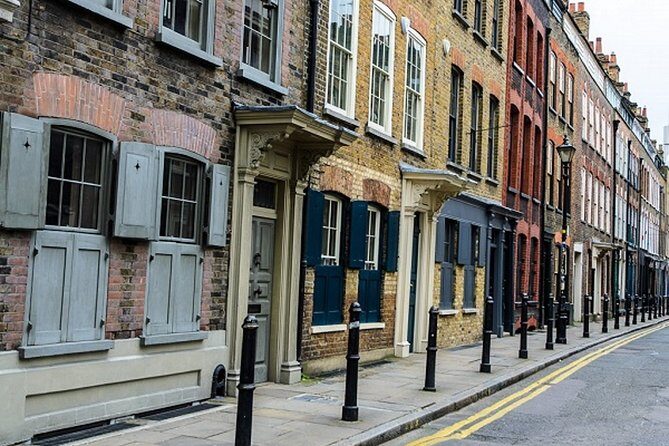
At $108.13 per person, this tour isn’t a budget stroll. But for a private 3 to 3.5 hour walk with a professional guide, plus hotel pickup and drop-off, it can feel like good value—especially if you’re traveling with someone and splitting the cost.
Here’s how I’d think about value:
- Private guide time costs money, and you’re paying for the focus and flexibility.
- Pickup and drop-off reduce the friction cost of getting in and out of the East End.
- The itinerary notes admission tickets are free at each stop, so you aren’t stacking extra entry fees on top.
The one value trade-off is that it’s still a walking tour. You won’t be using buses between stops during the core experience, and food/drinks aren’t included. So if you’re the type who likes to snack during activities, plan for it separately.
If you want to reduce risk, I’d pick a time of day when you’re comfortable staying outside for a while. The tour runs in the morning or afternoon, which is a useful option if you don’t want an all-evening or late-night pace.
Who this tour suits best
This is a strong fit if you:
- like city history tied to real streets, not just museum facts
- want a crime story handled with evidence and discussion rather than pure theatrics
- care about the East End beyond the headline name
It’s also a good choice if you prefer a daytime option. The case is famous, but you may still want a more manageable schedule for seeing London—especially if you’re pairing it with other sights later.
If you’re coming with kids, I’d be careful. The tour is designed around violent murders and can include graphic implications. For older teens who are serious about history and detective work, it might work. For everyone else, I’d consider whether the topic is right for your group’s comfort level.
A quick word on guides and pacing
Guides can make or break a Ripper tour. In this case, the experience is built to connect locations, witness accounts, and debated evidence into a coherent walk. The tone is professional, and the pacing is set so you have time at each stop for explanation and questions.
You might meet guides like John, who has been praised for making the story feel vivid, even when the subject is grim. And you may see quick responsiveness from the operator when you need to adjust a meeting time, including afternoon starts. That flexibility can be a real help when your London schedule changes.
Should you book this Jack the Ripper East End walk?
If you want a private, street-level way to understand the Jack the Ripper story, this is a solid choice. The route is tight, the guide-led context makes the locations click, and finishing in a Victorian pub gives the experience a proper ending.
I’d skip it if you hate debate about unsolved crimes, or if you’re not comfortable with murder-focused history. But if you’re curious and you like walking a real neighborhood while learning why people still argue about the evidence, you’ll get a lot out of these stops—especially Ten Bells, Mitre Square, and Goulston Street.