REVIEW · LONDON
Tate Britain Turner and Constable Exhibition
Book on Viator →Operated by Tate · Bookable on Viator
Turner and Constable in one tight hour. I love how the exhibition links their lives and artistic goals in a way that feels human, not academic, and it nails two big highlights: Turner’s later paintings that startled critics in his day and helped shape Monet’s thinking, plus Constable’s cloud sketches that show how quickly English light can change. One thing to consider: even with advance booking, you may still face a ticket-desk queue if your downloaded barcode doesn’t scan smoothly.
At Tate Britain, this experience is short and focused—about 30 minutes to 1 hour—but it’s packed. Your ticket includes entrance to the Turner and Constable exhibition and Tate Britain’s free galleries, which is a smart way to stretch your museum time without extra ticketing. I also suggest you keep expectations realistic about crowds: the show can get busy, and you’ll share space with people trying to get close to the art.
In This Review
- Key Things to Know Before You Go
- Turner and Constable at Tate Britain: What You’ll Get in 30–60 Minutes
- Stop 1: Inside the Turner and Constable Exhibition
- What makes this show worth your time
- Turner’s Later Paintings: The Shock That Changed Art’s Direction
- A practical viewing tip
- Constable’s Cloud Sketches: Close Look, Fast Payoff
- Don’t rush Constable
- How the Show Uses Sketchbooks and Personal Items
- Tate Britain Free Galleries: The Smart Bonus After the Exhibition
- Crowds, Ticket Lines, and Other Real-World Friction
- Price and Value: Is $32.91 Worth It?
- Who This Works Best For (and Who Might Want Another Option)
- Before You Book: My Take on Risk vs Reward
- Should You Book This Turner and Constable Ticket?
- FAQ
- How long does the Tate Britain Turner and Constable exhibition visit take?
- What is included with the ticket price?
- Are other Tate Britain exhibitions included?
- When will I get confirmation after booking?
- How far in advance is this experience commonly booked?
- Is free cancellation available?
- Are service animals allowed?
- Is it near public transportation?
- Is it suitable for most travelers?
- What should I do if my downloaded ticket barcode does not work?
Key Things to Know Before You Go
- Two artists, one conversation: The show connects Turner and Constable as rivals in style, but partners in their love of nature.
- Sketchbooks and personal items matter: You don’t just see finished works—you see how the ideas formed.
- Later Turner is a punch in the gut: His bolder, more forceful paintings are a major draw here.
- Constable’s clouds are the star: Those expressive sky studies are built for close viewing.
- Plan for a ticket-desk stop: A barcode issue can mean a paper ticket and extra waiting.
- You’ll have bonus gallery time: Included access to Tate Britain’s free galleries adds value.
Turner and Constable at Tate Britain: What You’ll Get in 30–60 Minutes
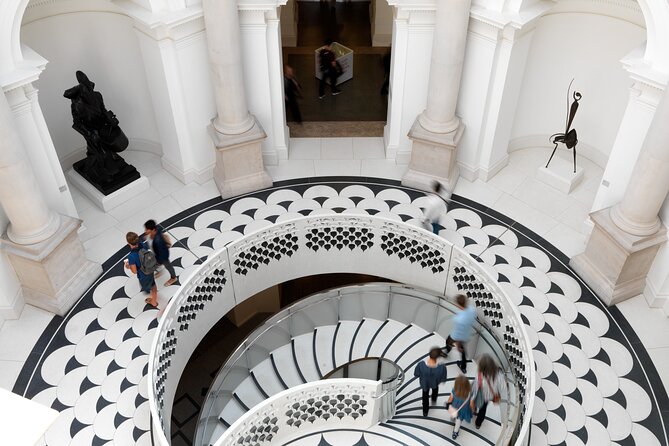
This isn’t a long “museum day” plan. It’s a focused slot—roughly 30 minutes to 1 hour—built around one special exhibition at Tate Britain. That short time window is actually a plus for London visitors who want art that packs a punch without turning the visit into a full-day grind.
The best part is that the exhibition doesn’t treat Turner and Constable like museum icons behind glass. It frames their intertwined lives and legacies, and it does it using multiple angles: finished paintings, preparatory material like sketchwork, and personal items that make their artistic drive feel real. If you’ve ever wondered how artists think, not just what they painted, this show gives you clues.
You also get a practical bonus. Your ticket covers the special exhibition and includes access to Tate Britain’s free galleries. That matters. Even if you spend most of your time in the exhibition, you can still tack on a bit of extra gallery time before you leave—no extra paywalls.
You can also read our reviews of more tours and experiences in London.



Stop 1: Inside the Turner and Constable Exhibition
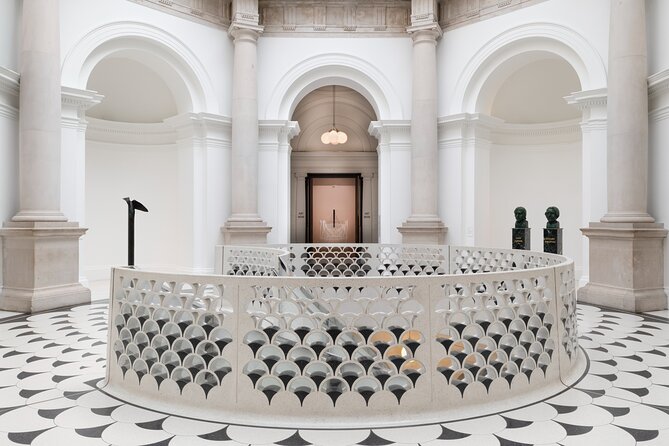
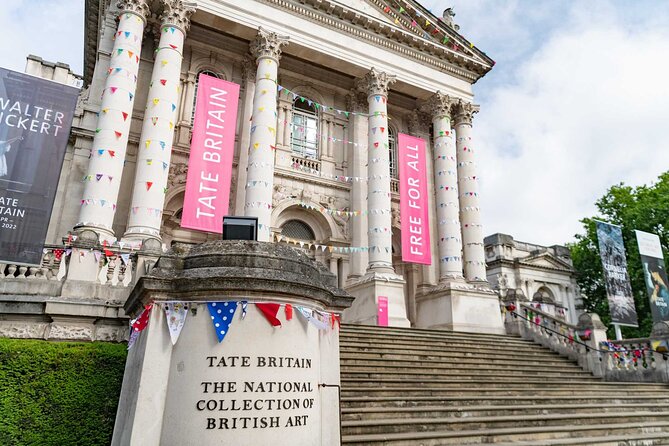
The core experience happens at Tate Britain. The exhibition marks 250 years since the artists’ births and is designed to show how Turner and Constable developed their art in parallel—often from very different starting points.
Here’s the quick context that helps your viewing click:
- Turner grew up in the gritty heart of Georgian London and rose quickly, even though his beginnings were humble.
- Constable came from a wealthy Suffolk merchant family, and still his path to wide acclaim was more difficult.
So even before you get to the paintings, the show sets up a good question: what do you do with nature when you’re aiming for greatness? Both artists turn “the outdoors” into more than scenery. They load it with meaning, mood, and emotion.
What makes this show worth your time
You’ll likely feel the exhibition’s structure as you move through it. It’s not a strict “chronological march” where you only chase dates. Instead, it builds connections:
- How they observed nature
- How they worked out ideas
- How they made bold choices that other people didn’t always understand right away
And yes, it’s built around the kind of close looking museums love—and that people sometimes skip. Give it a little attention and the exhibition pays you back.
Turner’s Later Paintings: The Shock That Changed Art’s Direction
If one artist is going to grab you by the collar, it’s Turner—especially his later work. This exhibition includes powerful, dynamic later paintings that were shocking to critics when they first appeared. That historical resistance is part of the fun.
You’ll notice how Turner’s approach isn’t about tidy realism. His later paintings have a push-and-pull energy. Colors and forms feel like they’re moving, like weather that won’t sit still. And the show makes the cause-and-effect clear: these later works went on to inspire Claude Monet.
That connection helps you look with more purpose. When you see Turner doing something bold, ask yourself:
- Is he trying to paint the thing, or the feeling of the thing?
- Is he simplifying, or intensifying?
- Where does the painting ask you to stop and where does it pull you forward?
That’s what makes Turner’s rooms so gripping. Even if you’re not an art-history person, you can sense the risk.
A practical viewing tip
Turner’s works often reward stepping back and then stepping in again. If crowds press you too close, try this: watch from the side for a minute, then move in briefly once the main view clears. You’ll get more out of it than trying to stare straight ahead through a line of shoulders.






Constable’s Cloud Sketches: Close Look, Fast Payoff
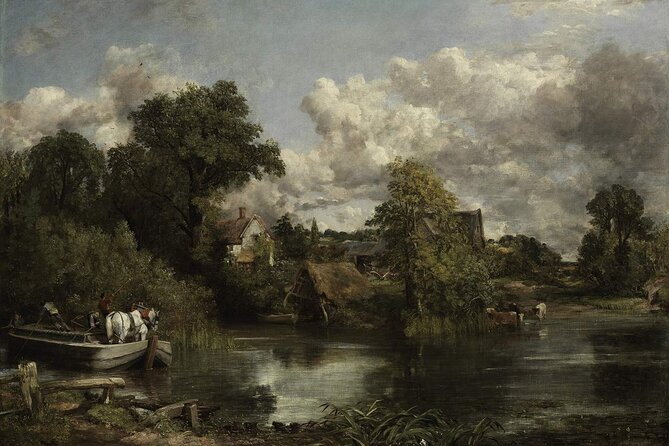
Constable is the calm counterweight. Where Turner can feel like motion and heat, Constable offers something closer to weather you can almost hear.
The exhibition highlights expressive cloud sketches that capture changing light across an English sky. Those drawings are small compared with the big paintings, but they’re a major reason the show works. Sketches show process, and process is where the magic lives.
Constable’s clouds aren’t just clouds. They’re studies of:
- shifting brightness
- thickness in the sky
- the way daylight changes the mood of a whole landscape scene
The value for you is simple: sketches make art feel less untouchable. You start to see how someone trained their eye, not just how they finished the final product.
Don’t rush Constable
Constable is best when you slow down. If you only glance, you’ll miss what makes the sketches expressive. Give yourself a full minute or two per piece, even if it feels slow. This is one of those moments where time spent pays back in understanding.
How the Show Uses Sketchbooks and Personal Items
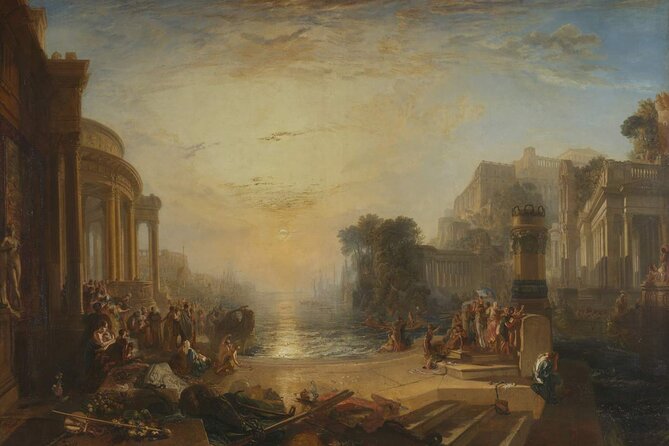
What I like about this exhibition is that it doesn’t rely only on finished paintings to do all the work. It includes intimate insights through sketchbooks and personal items. That approach matters because it changes what you expect to learn.
Instead of just asking, What does it look like?, you can also ask:
- How did the artist practice?
- What details mattered enough to save?
- What choices got repeated?
- Where did the idea start—before the final brushstrokes?
This is the “why” that many museum shows skip. Here, you get a sense of attention and discipline—how the artists made nature into a language they could control.
If you enjoy seeing the inner mechanics behind great work, this is one of the strongest parts of the experience.
Tate Britain Free Galleries: The Smart Bonus After the Exhibition
Your ticket doesn’t end when the special exhibition does. You also get access to Tate Britain’s free galleries, which is a nice value add, especially if your time in London is tight.
This matters because it lets you tailor your visit:
- If the special exhibition is your priority, you can dip out after it and still see extra works.
- If you want to keep the art momentum going, you’ve got built-in follow-through without another ticket decision.
Tate Britain’s free galleries can also help you reset your eyes. After a focused hour on Turner and Constable, stepping into other rooms gives you a new rhythm. It’s a good way to avoid art fatigue.
Crowds, Ticket Lines, and Other Real-World Friction
I’ll be honest: the experience can be smooth, but it can also be slightly annoying depending on how your ticket behaves at the gate.
One big practical theme from real visits is this: downloaded ticket barcodes don’t always scan on the first try. When that happens, you may end up queuing for a paper ticket. Another note that’s worth taking seriously: Tate Britain can require an approval step when using third-party ticket sellers, which can mean an extra wait at the ticket desk. In one case, that queue stretched close to half an hour.
What should you do with that information?
- Build in a little buffer time before your slot.
- If you get to the desk and it looks slow, don’t panic. Expect some processing.
- Bring your booking details on your phone, and keep an eye on your time.
Also, crowds in the exhibition can be intense. A few people may move into the viewing space a bit too aggressively, and that can block you from seeing the label or the full painting. You’ll have a better visit if you treat it like a concert: wait for your moment, shift position calmly, and keep moving when you’re done.
Finally, keep in mind that phone cameras can be used by some visitors. It isn’t the end of the world, but it can add visual noise.
Price and Value: Is $32.91 Worth It?
At $32.91 per person, you’re paying for a ticket that includes:
- entrance to the Turner and Constable exhibition
- access to Tate Britain free galleries
That inclusion is what makes the math work. If you were paying only for the special show, you could justify it for the Turner-and-Constable focus alone. But the added gallery access turns it into a better deal if you want more time in the museum.
The other value factor is the time range: 30 minutes to 1 hour. You’re buying a compact art hit. If you’re the type who loves a set experience that won’t eat your whole day, this fits your travel style.
Where price might feel less satisfying is if you spend a lot of that time fighting queues. If your entry line is long, the value drops. That’s why I recommend arriving with buffer and expecting the ticket desk could take a bit longer than you’d hope.
Who This Works Best For (and Who Might Want Another Option)
This is a strong choice if you:
- love classic British art and want it explained through process and connection
- like seeing sketchwork and how ideas become paintings
- want a museum experience that fits into a busy London schedule
You’ll probably enjoy it less if:
- you hate crowds and want large, quiet rooms
- you need a lot of time to read every label and instruction card
- you’re extremely sensitive to small delays at entry
For most people, it’s a good fit because it offers both big-name highlights and the smaller details that make art feel personal.
Before You Book: My Take on Risk vs Reward
The biggest upsides are clear:
- Turner’s later paintings bring serious impact.
- Constable’s cloud sketchwork is memorable and close-up friendly.
- Included free gallery access gives you more bang for your buck.
The main downside is also clear:
- You might hit ticket-desk friction, especially if your barcode doesn’t scan.
So should you book? If you’re planning to see the Turner and Constable exhibition anyway, advance booking is the right move. The show can sell out on the day, and securing your spot beats gambling on walk-in availability. Just go in with a little patience at the start and you’ll come out happy.
Should You Book This Turner and Constable Ticket?
Book it if you want a focused, high-quality art experience that combines major finished works with the kind of sketch-and-process material that makes artists feel real. The value improves because you also get Tate Britain free galleries, so you’re not locked into only one room.
Skip or rethink it if you have very little time buffer, hate any kind of queue, or prefer museums where you can linger for hours. In that case, the short time window plus possible ticket-desk delays might feel cramped.
If you can flex by even 20–30 minutes for entry, this is a smart way to experience two giants of British art without turning your day into a battle.
FAQ
How long does the Tate Britain Turner and Constable exhibition visit take?
It’s listed at about 30 minutes to 1 hour.
What is included with the ticket price?
Your ticket includes entrance to the Turner and Constable exhibition and access to Tate Britain’s free galleries.
Are other Tate Britain exhibitions included?
No. Other exhibitions at Tate Britain that have a charge are not included.
When will I get confirmation after booking?
You receive confirmation at the time of booking.
How far in advance is this experience commonly booked?
On average, it’s booked 44 days in advance.
Is free cancellation available?
Yes. You can cancel for a full refund up to 24 hours before the experience’s start time.
Are service animals allowed?
Yes, service animals are allowed.
Is it near public transportation?
Yes, it’s near public transportation.
Is it suitable for most travelers?
Yes, most travelers can participate.
What should I do if my downloaded ticket barcode does not work?
If your barcode doesn’t scan, you may need to queue at the ticket desk to get a paper ticket, which can add waiting time.