REVIEW · CAMBRIDGE
Cambridge Riverside Walk From Queen’s College to Trinity College
Book on Viator →Operated by Vidi Guides · Bookable on Viator
Cambridge’s college skyline runs right along the river. This self-guided Riverside Walk through The Backs turns a simple stroll into an on-foot lesson, with narration tied to the exact places you’re standing. I especially liked the local, historian-style storytelling and how it mixes big university themes with side tales and mischief. The one drawback: at $13.75 for a short route (about 35 minutes to 1 hour), it can feel a bit pricey if you prefer a longer walk or want guided interaction.
The format is low-pressure. You download the mobile tour ahead of time, then let the GPS map keep you aligned while you linger in the meadows and college views at your own pace. Just plan on bringing your own way to listen—earphones aren’t included—and arrive at the starting point on Scudamore’s Mill Lane Punting Station area so you can start smoothly.
In This Review
- Key things to know before you go
- The Backs Walk: why this Cambridge route feels different
- Price and time: $13.75 for a short route
- How the self-guided audio tour actually works
- Stop 1: River Cam — start with the waterline views
- Stop 2: Granta Place — stories along the river walk
- Stop 3: University of Cambridge (The Backs beginning near Queen’s student areas)
- Stop 4: King’s College Chapel — meadows, secrets, and night climbers
- Stop 5: Clare College — nature-history connections
- Stop 6: Garret Hostel Bridge — take the view, then decide how daring
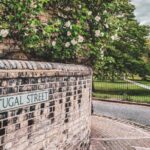
- Stop 7: Silver Street — finish with a wooden bridge feel
- What I’d call the experience’s real value
- Photos and “Instagram hotspot” moments
- Logistics that can make or break your day
- Who this tour suits best
- Should you book this Cambridge riverside audio walk?
- FAQ
- FAQ
- How long is the Cambridge Riverside Walk from Queen’s College to Trinity College?
- Is this tour guided by a person, or is it self-guided?
- Do I need Wi‑Fi to use the tour?
- What’s the starting point and where does it end?
- What do I need to bring?
- How much does it cost?
Key things to know before you go

- Offline-ready audio: Download in advance so you can listen without Wi‑Fi while you walk.
- GPS that helps you stay found: Location-aware mapping helps you enjoy stops instead of hunting for them.
- Narration by a student and historian voice: Expect a mix of university context and entertaining campus stories.
- Stop-by-stop structure: The route is broken into short segments, so you can keep moving or slow down.
- Photo-friendly college angles: The walk is built for “look up and frame it” moments along The Backs.
The Backs Walk: why this Cambridge route feels different
If you only have a short window in Cambridge, this kind of walk is a smart use of time. The Backs is known for views of the city’s famous colleges and for parks and gardens that give you breathing room. Instead of bouncing between buildings, you get the campus feeling in a single continuous corridor—meadow, river, stone, and spires.
What makes this route work is the way the audio is tied to what you’re seeing right then. You’re not asked to memorize names and dates. You get prompted to look at landmarks as you pass them: the River Cam, bridges, college edges, and those classic Cambridge sightlines.
Two things I like for practical reasons: it’s self-guided, so you can stop for photos without rushing the group, and it’s short enough that you can pair it with other Cambridge plans the same day.
You can also read our reviews of more walking tours in Cambridge

Price and time: $13.75 for a short route
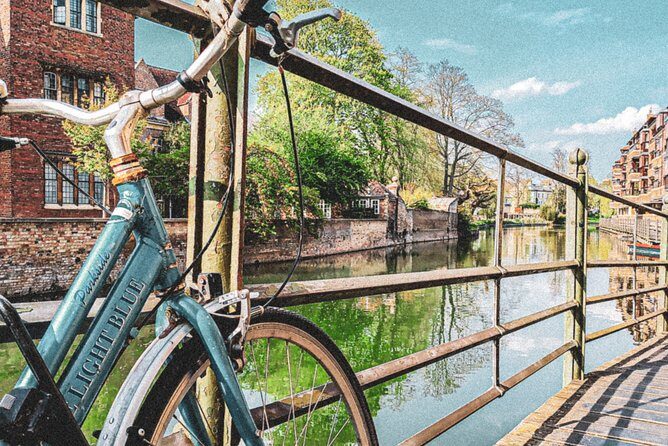
The price is $13.75 per person, and the walk runs about 35 minutes to 1 hour. That puts it in the “quick add-on” category. If you’re the type who enjoys a guided-feeling route but doesn’t want to commit to a full tour length, this makes sense.
But here’s the honest tradeoff: the experience is built around brief stops (each lasting only a few minutes). You’ll spend most of the time outside, walking and listening. If you want a long, detailed guided session with a lot of interaction, you may feel like you didn’t get enough time per dollar.
On the flip side, the price can feel more fair if you treat the narration as a value upgrade to an otherwise free riverside walk. You’re paying for the story layer—especially the student-and-historian perspective and the short “pause and understand” moments at each landmark.
How the self-guided audio tour actually works
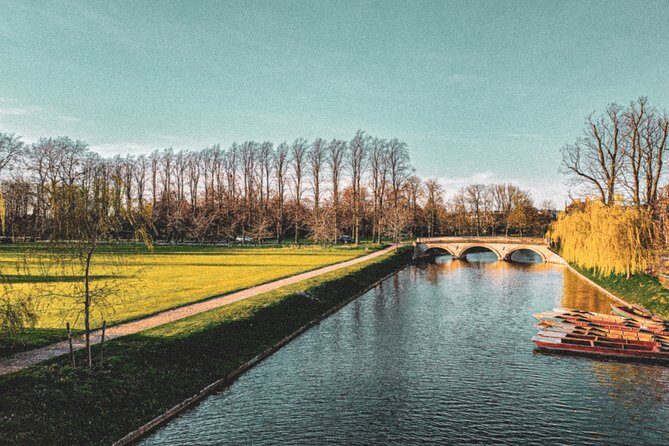
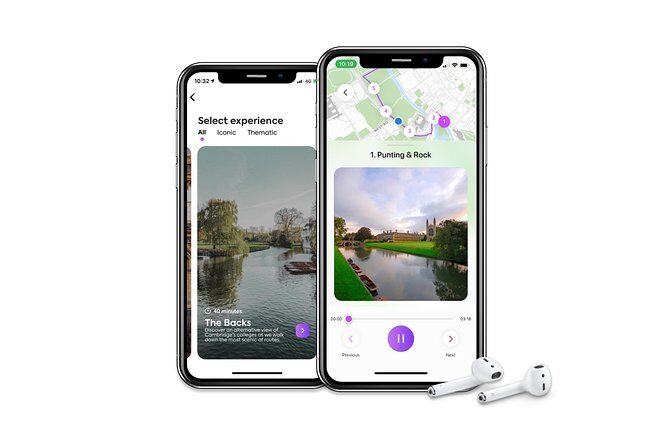
This is a mobile-ticket experience run by Vidi Guides. After booking, you’ll get confirmation, and then you use your mobile device to access the self-guided audio.
Here’s what matters for how smoothly it goes:
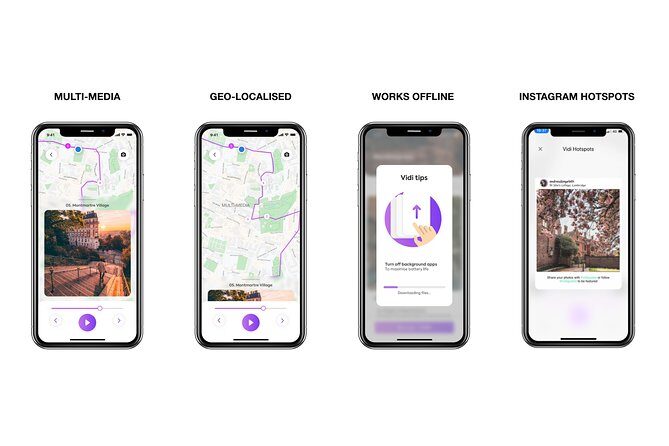
- Download ahead for offline mode. The tour is designed so you can listen without Wi‑Fi.
- Use earphones you bring yourself. Earphones are not included.
- Follow along with GPS mapping. The tour includes location-aware guidance so you don’t lose your place.
Also note the tour is near public transportation, so it’s easier to fit into a day itinerary. The experience has a maximum of 10 travelers, which usually translates to less crowd friction for anything that involves meeting at a pickup point or coordinating access.
Stop 1: River Cam — start with the waterline views
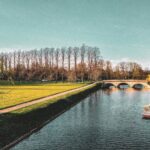
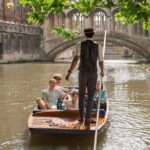
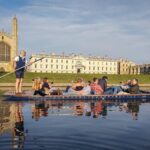
Your walk begins at Scudamore’s Mill Lane Punting Station in Cambridge. The first audio stop is at the River Cam. Even before you move far, the river sets the tone: flat-water calm, college edges peeking across the landscape, and that classic Cambridge “you’re already in the scenery” feeling.
This first segment is short (about 5 minutes), and that’s intentional. It helps you get oriented fast—where the river is, how the path rolls, and what kind of places the audio will reference next.
Stop 2: Granta Place — stories along the river walk
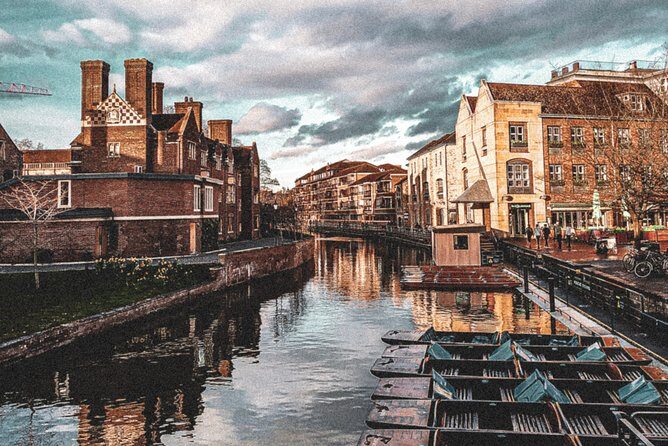
Next up is Granta Place (about 10 minutes). This is where the audio starts leaning into the human side of Cambridge, with humorous stories as you walk.
Why I like this placement: it’s early enough that the narration hasn’t settled into pure trivia yet. You’re still in “learning mode,” so the tone feels friendly. Plus, by the time you reach the later college spots, you’ll be primed to recognize names and themes the narration introduces.
If you want a tip for your own pacing: don’t feel glued to listening the whole time. You can let the audio play, then pause for a few seconds just to look ahead at the lines of buildings. That’s where the payoff is.
Stop 3: University of Cambridge (The Backs beginning near Queen’s student areas)
At the next stop, you’re oriented toward University of Cambridge views tied to the start of The Backs. The audio calls out a welcoming green space stretching beyond and marking that beginning.
This segment takes about 10 minutes, and it focuses on student life themes—how the scenery connects to how students experience Cambridge. The goal here isn’t to memorize details. It’s to help you understand why this river-and-meadow setting matters to the university’s everyday rhythm.
One practical drawback to watch for: since you’re listening while walking, you’ll want to keep your phone charged. Offline mode helps with Wi‑Fi, but it doesn’t prevent battery drain.
Stop 4: King’s College Chapel — meadows, secrets, and night climbers
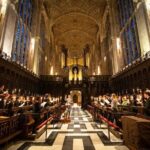
This is the stop many people picture when they think of Cambridge. At King’s College Chapel, the narration connects the Backs area to older “look and feel” ideas—especially how the meadows and stream sit in front of the chapel.
This segment is about 10 minutes and adds the playful side of campus mythology, including Cambridge’s secret societies and references to the Night Climbers.
I like this stop because it gives you permission to notice what’s right in front of you instead of treating it like a checklist. If the chapel view pops into your line of sight, it’s exactly the moment to let the audio run and watch how the story matches the landscape.
Tiny reality check: the best views can require you to step slightly off the smoothest walking line. Just keep an eye on foot traffic and don’t block paths while you’re framed up for a photo.
Stop 5: Clare College — nature-history connections
At Clare College, the tour highlights a connection to nature history and points to David Attenborough. This segment is again about 10 minutes.
What I found useful here is the way the audio anchors a familiar name to a specific place on your route. Even if you don’t care about that exact topic, it can help the entire walk feel more human—like you’re moving through a living cultural landscape rather than only visiting old stone.
One consideration: if you’re a strict “I only want architecture” visitor, this stop may feel more storytelling than building-focused. But if you like hearing how Cambridge reaches into culture beyond academics, it’s a good break.
Stop 6: Garret Hostel Bridge — take the view, then decide how daring
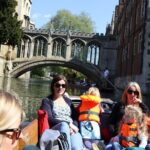
Now it’s time for the Garret Hostel Bridge segment (about 5 minutes). This is one of those quick “pause and look” moments, where the audio wraps up and you’re encouraged to stop for the view.
It also mentions bridge hopping for the daring ones. The practical takeaway isn’t to chase stunts—it’s to use this moment to step back and enjoy the view angles over the river corridor before you finish.
If you’re traveling with time constraints, this stop is also a nice checkpoint. You’ll know you’re nearly done, and you can choose whether to linger or push on to the final stretch.
Stop 7: Silver Street — finish with a wooden bridge feel
The last stop is at Silver Street, with a mention of a wooden bridge and “moving stories” tied to the area.
This end segment is about 5 minutes, which keeps the whole experience from dragging. It’s built to finish while you still have energy for a quick post-walk wander—grab a coffee nearby, walk toward other college streets, or just keep soaking in the Backs views.
If you’re the type who likes a clean finish: save one last photo here. The audio ending is a good cue to stop, reflect, and decide what you want to explore next in Cambridge.
What I’d call the experience’s real value
This tour’s value isn’t in someone telling you facts from a podium. It’s in the pacing and the method:
- Short segments help you stay engaged and avoid audio fatigue.
- A student-and-historian narration style gives you both context and storytelling energy.
- The GPS map makes the route feel “guided” without the stress of staying next to a human leader.
- Offline access gives you freedom to wander slightly without the fear of losing the connection.
One more point worth emphasizing: the audio format includes a dialogue-style feel between an interviewer and a professional voice. That choice makes a difference on short walks. It keeps the narration from sounding like a single long lecture, and it helps you keep listening instead of zoning out.
Photos and “Instagram hotspot” moments
The tour is designed to find Instagram hotspots—meaning it steers you toward view angles you’d likely want to capture. You don’t have to be a serious photographer for this to help. Even casual phone photos come out better when you know where to stand and when to look up.
My practical approach here: take photos in short bursts. Snap, listen for the next cue, then reset your stance. That way you’re not spending the whole walk behind your camera.
Also, the route naturally lends itself to reflection because it’s outdoors most of the time. If weather changes, you can keep moving and still enjoy the route even if you shorten your lingering at individual stops.
Logistics that can make or break your day
Because this is a self-guided mobile tour, the success of the experience mostly comes down to setup.
Do this before you leave:
- Download the tour for offline mode.
- Bring earphones (you’ll need them).
- Make sure you can access the mobile ticket before you reach Scudamore’s Mill Lane Punting Station area.
One caution from real-world chaos: there can be days when meeting-point instructions feel unclear to someone in the moment. If you want the smoothest experience, I recommend being early enough to confirm you’re at the right start spot before you press play.
Who this tour suits best
This walk fits best if you:
- Have limited time and want a strong Cambridge overview in 35 minutes to 1 hour.
- Like stories paired to landmarks, not just architecture.
- Prefer self-guided flexibility so you can linger in the meadows and river views.
- Want offline listening so your phone plan doesn’t dictate your itinerary.
If you dislike audio tours or you’re looking for a hands-on guide to answer questions in real time, you may prefer something with live commentary.
Should you book this Cambridge riverside audio walk?
I’d book it if you want a fast, scenic route with story value added to your own walking pace. The narration sounds designed for variety—university context plus campus side tales—and the GPS plus offline mode makes it practical for a day trip.
Skip it if you’re paying mainly for length and want a longer, more interactive guided experience. At $13.75 for a short sequence of stops, you’ll want to be sure you’ll actually listen and use the mapping cues.
If you’re on the fence, here’s my simple decision rule: if you enjoy turning a walk into a mini documentary you control, you’ll likely feel good about this. If you’d rather spend that time on free, unstructured wandering, you might not feel the added value enough.
FAQ
FAQ
How long is the Cambridge Riverside Walk from Queen’s College to Trinity College?
It takes about 35 minutes to 1 hour.
Is this tour guided by a person, or is it self-guided?
It’s a self-guided audio tour. You listen on your mobile device as you walk.
Do I need Wi‑Fi to use the tour?
No. You can use offline mode by downloading the tour in advance.
What’s the starting point and where does it end?
It starts at Scudamore’s Mill Lane Punting Station (Mill Ln, Cambridge CB2 1RS, UK) and ends in Cambridge.
What do I need to bring?
You’ll need your mobile device and your own earphones.
How much does it cost?
The price is $13.75 per person.