REVIEW · LONDON
Historical Tour in Death, Debauchery and Doctors in Soho London
Book on Viator →Bookable on Viator
Soho has a darker side than you expect. This 1 hour 45 minutes walking tour trades polite postcards for brothel stories and street-level medicine across Soho’s twists and turns. I like that it’s built for history buffs and keeps moving at a friendly pace, but a note of caution: the tour includes sexual references and some gory details, so it’s not the best pick for young kids.
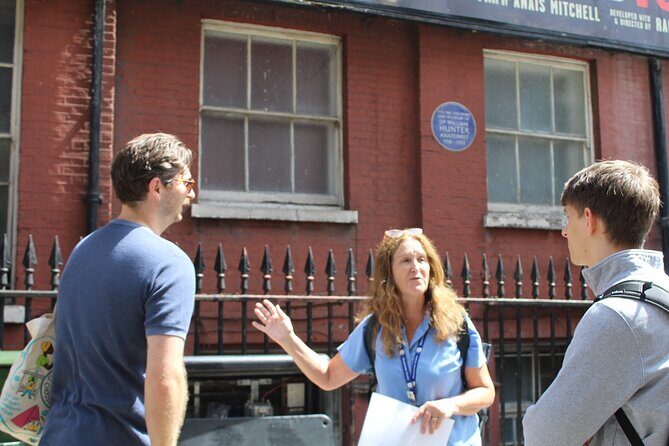
What makes it work is the human touch. You get an in-person guide with a Westminster qualification, and the storytelling style is clear, detailed, and surprisingly funny at times, without turning cruel. The group stays small (max 12), so you can ask questions and get answers as you walk.
One more practical thing to know up front: there aren’t any snacks or drinks included, so plan to grab water before you start. If you’re the type who prefers purely cheerful London stops, this one may feel a bit heavy—though it’s also oddly compelling.
In This Review
- Key things to know before you go
- What you’re really paying for on this Death, Doctors, and Soho walk
- Stop 1: Soho Square and the first-brothel storyline
- Stop 2: Broad Street’s cholera pump and the fight to stop a killer
- Stop 3: Wardour Street for a pretty garden and a secret
- Stop 4: Dean Street and the men’s hospital for syphilis
- Stop 5: Soho’s narrow alleyways and the stories behind “debauchery”
- The guide experience: how Luisa (and Lou) keeps it moving
- Timing and where you end up: practical flow for a day in Soho
- Who should book this, and who should skip it
- How to get the most out of the walk
- Should you book Death, Debauchery and Doctors in Soho?
- FAQ
- How long is the Soho death, doctors, and debauchery tour?
- How much does the tour cost?
- What language is the tour offered in?
- What’s included in the price?
- Are there admission fees at the stops?
- Is the tour suitable for children?
- Where does the tour start and end?
Key things to know before you go
Small group of up to 12 people so you’re not just listening at the back of a crowd
All stops are ticket-free to enter so your money goes mostly to the guide and the walk
A mix of vice and public health connects brothels, cholera, and syphilis care in one route
Your guide brings the scenes to life with mood-setting detail and supportive visuals
Short timed stops, then a longer wander that gives you both facts and time to look around
What you’re really paying for on this Death, Doctors, and Soho walk
At about $34.33 per person for roughly 1 hour 45 minutes, you’re paying for a focused, guided route rather than paid-entry attractions. The itinerary is designed so you’re constantly moving—so you don’t waste your time in “we’re here, now what?” moments.
The value is strong for two reasons. First, you’re getting a real guide (in-person, English), not just a generic audio route. Second, the tour doesn’t ask you to add extra admission fees at the stops—each location is listed as free to enter.
You should also like the format. There are several short segments (think 5–30 minutes) followed by a longer walk through Soho itself. That keeps energy up and helps the story build step by step, rather than dumping everything in one long lecture.
You can also read our reviews of more historical tours in London



Stop 1: Soho Square and the first-brothel storyline
You start at Soho Place, then step into Soho Square, a good launch point because it helps you set the mental scene fast. From there, the tour points you toward the area’s early brothel history—especially the idea that Soho’s “dark reputation” wasn’t just rumor. It was organized, visible, and connected to money and power.
A standout detail here is the mention of one eyed Peg, described as specializing in flogging the upper classes. That’s not a polite topic, but it’s also the kind of specific, character-based detail that makes history feel real instead of vague.
Practical takeaway: Soho Square is open enough that you can orient yourself, look around, and get a feel for the neighborhood before you go narrow-street hunting. The stop is about 30 minutes, so it’s long enough to give context, but not so long that you’ll get antsy.
Stop 2: Broad Street’s cholera pump and the fight to stop a killer
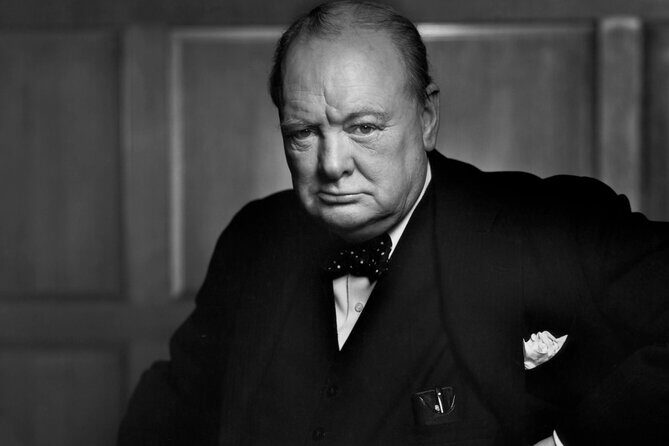
Next comes Broad Street and the cholera pump, with a grim-but-important question: who started the Soho cholera outbreak that killed hundreds in a short span—and who stopped it.
This is where the tour shifts gears from vice to public health, and it’s a smart pivot for anyone who likes their history with real-world consequences. The point isn’t just that disease existed. The point is that early public health decisions—who acted, who didn’t, and how quickly—could change outcomes.
It’s a short stop (about 10 minutes), so you won’t get lost in names and dates. Instead, you get the storyline of an epidemic and the human choices behind it. If you’ve ever wondered why cities still obsess over water and sanitation, this is the kind of example that makes it click.
Stop 3: Wardour Street for a pretty garden and a secret
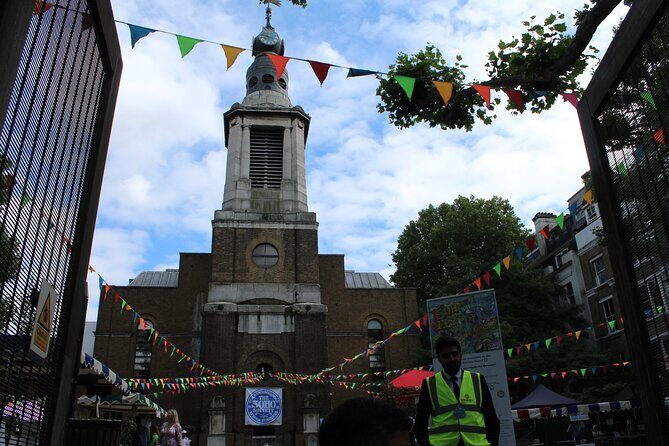
Then you move to Wardour Street, where the mood softens briefly. You’re guided to a garden that’s a “favorite picnic spot,” and you’re also pointed toward a secret—the kind of detail that makes you realize you’ve probably walked past it without understanding what it’s tied to.
This stop works because it adds contrast. After cholera and the darker Soho past, you get a calmer visual pause. It’s also a reminder that neighborhoods are layered: beauty and cruelty can exist within a few turns of a street.
This segment is only about 5 minutes, but those short “connector” stops matter. They keep the pace moving while giving your brain a rest between heavier topics.
Stop 4: Dean Street and the men’s hospital for syphilis
The tour then hits Dean Street, tied to a men’s hospital for syphilis that treated working-class London. This stop is handled with a focus on how medicine met real life—especially in an era when people couldn’t simply avoid infection, and when care was uneven and shaped by class.
The walk also mentions a Victorian reformer, and that’s key context. It’s not only about disease; it’s about change—how attitudes, treatment, and social pressure could shift over time. If you’ve read about Victorian London and felt stuck on big-picture summaries, this kind of street-level marker helps you map what you know onto actual places.
Time here is about 10 minutes, which again is enough to land the core story without turning the tour into a medical textbook.






Stop 5: Soho’s narrow alleyways and the stories behind “debauchery”
The final chunk is the big one: about 50 minutes wandering through Soho’s narrow alleyways. This is where the tour earns its title—stories of debauchery and poverty get woven into the streets you can actually see today.
This part is valuable because it teaches you a way to look. Rather than treating Soho like a single theme park for nightlife, you start noticing how people lived: cramped spaces, sharp contrasts, and the way the area attracted both opportunity and exploitation.
You also get the payoff for the earlier stops. Brothels, cholera, and syphilis care stop feeling like separate facts. They become different angles on the same big theme: how a city copes with human need, human risk, and human imbalance.
In this longer segment, I like that it’s structured enough to guide you, but open enough that you can look up at doorways, track street turns, and take in the atmosphere. It’s also near the end that you’ll likely feel the tour’s tone click—some of the stories are heavy, but they’re told with a sense of compassion and, at times, humor.
The guide experience: how Luisa (and Lou) keeps it moving
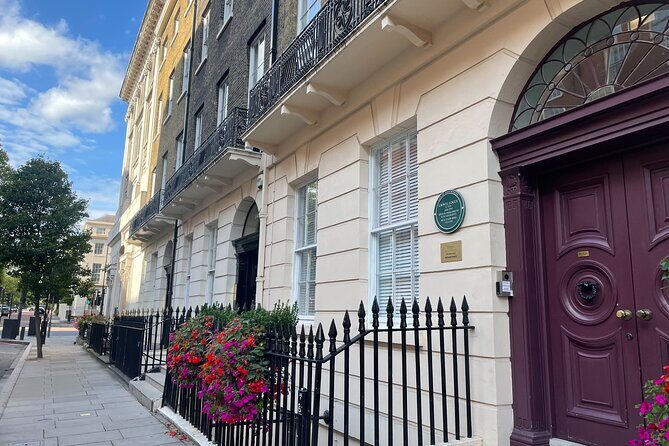
A big reason this tour works is the guide style. People talk about Luisa (often called Lou) as someone who can set the mood and then explain the history clearly. One recurring strength: she links characters and events to the street scenes you’re standing in, so the story doesn’t drift away from reality.
You’ll also feel the pacing. Multiple accounts highlight that the tour moves at a perfect pace—fast enough to keep momentum, slow enough to absorb details. That matters on a topic like this, where you need room to process without feeling overwhelmed.
Another useful detail: Luisa is described as using images to support the story. If you learn better when you can see something—old signage, period visuals, or supporting material—that kind of addition can make the history stick.
And most importantly, she’s said to be happy to answer questions. On a walk like this, questions are part of the fun, because it’s easy to wonder how one place links to another.
Timing and where you end up: practical flow for a day in Soho
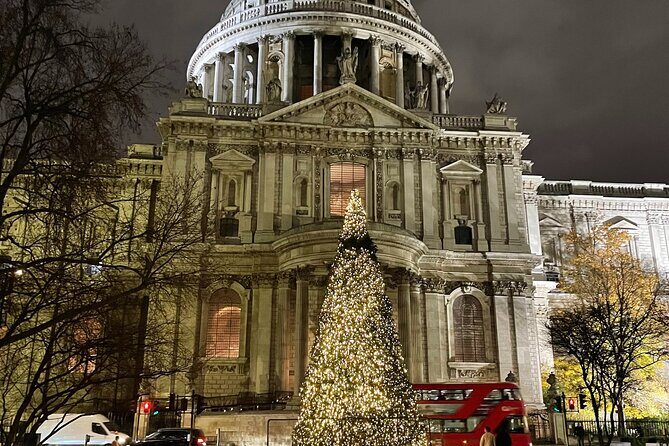
The tour starts at 10:30 am and ends back at Soho Square, which is close to Tottenham Court Road tube and plenty of places to eat and drink afterward. That ending location is handy: you can roll right into lunch or an afternoon plan without crossing London-wide.
The walking time is spread out, with multiple short stops. So even if you’re not a “hardcore walking tour” person, it’s easier to handle than a long, nonstop route.
One practical note: this is listed as being offered in English and using a mobile ticket. You’ll want to have your phone charged and ready, since this is the ticket format you’ll rely on.
Who should book this, and who should skip it
This tour is a strong match if you:
- love history that’s specific, place-based, and character-driven
- want Soho in context, not just as nightlife branding
- like stories that connect culture with real issues like disease and public health
It’s also a decent first choice for people short on time. The whole route is about 1 hour 45 minutes, so you can fit it into a busy travel day.
But you should think twice if you:
- are traveling with young children (the tour includes sexual references)
- prefer content that avoids any mention of operations or dead bodies (those themes are included)
- want a light, feel-good walk
If you’re an adult who can handle dark history with respect, you’ll likely find this both entertaining and thought-provoking.
How to get the most out of the walk
A few simple habits will make this tour more enjoyable:
- Wear shoes you can trust. The route involves narrow streets and a lot of turning.
- Bring water. No snacks or drinks are included, and it’s easier to stay comfortable when you’re not hunting for a shop mid-walk.
- Ask questions when something clicks. If the guide mentions a figure or a medical angle, follow up—this kind of tour rewards curiosity.
- Go in with the right mindset. This isn’t about shock for shock’s sake. The best parts come when you treat it like a guided lesson in how cities behave.
Also, give yourself permission to be a little uncomfortable. Some of Soho’s past is brutal. The tour doesn’t pretend otherwise—it frames it with explanation and empathy, which is a different experience than cheap sensationalism.
Should you book Death, Debauchery and Doctors in Soho?
I’d book it if you want an adult, street-level look at Soho that’s more than trendy facades. The value is real: a small group, an in-person Westminster qualified guide, English storytelling, and ticket-free stops for the sites you visit. The route also does something smart—pair vice with health—so you leave with a clearer understanding of how the neighborhood shaped people’s lives.
I wouldn’t book it if dark or graphic themes would spoil your day, or if you’re bringing kids. For everyone else, it’s a solid use of time. You’ll walk away with Soho feeling newly legible, as if you finally noticed the layers that were always there.
FAQ
How long is the Soho death, doctors, and debauchery tour?
It’s about 1 hour 45 minutes (approx.).
How much does the tour cost?
It costs $34.33 per person.
What language is the tour offered in?
The tour is offered in English.
What’s included in the price?
You get the services of a Westminster qualified tour guide and an in-person guide in English.
Are there admission fees at the stops?
The stops are listed as free to enter, so admission tickets are noted as ticket-free.
Is the tour suitable for children?
The tour includes some sexual references and some gory references to dead bodies and operations, so it may not be suitable for young children.
Where does the tour start and end?
It starts at @sohoplace4 Soho Pl, Charing Cross Rd, London W1D 3BG, UK and ends at Soho Square, London W1D, near Tottenham Court Road tube station.