REVIEW · NEWCASTLE UPON TYNE
Seabird & Seal Farne Islands Cruise. 1.5 hours long. Departing from Seahouses.
Book on Viator →Bookable on Viator
Seals watch back from the rocks, and this 90-minute Farne Islands cruise turns wildlife spotting into real storytelling. I love the grey seals and resident seabirds right from the boat, and I love sailing past Grace Darling and Longstone Lighthouse with expert narration. The main trade-off is simple: there’s no landing, so you’re viewing everything from the water.
You’ll get full commentary in English from a Trinity House lighthouse attendant, and the crew keeps the experience lively and easy to follow. It’s also well paced for a short trip: you return to Seahouses the same way you started, and the boat has enough room to shift for better sightlines. If you’re sensitive to boat audio, plan to sit where you can hear the tannoy clearly, since sound can be tricky in quiet weather.
In This Review
- Key things to know before you go
- A 90-minute loop around the Farne Islands: what you’ll spot from the boat
- Resident seabirds and grey seals: the wildlife watching rhythm
- What makes the species commentary worth it
- Longstone Lighthouse and Grace Darling’s rescue route: the human story behind the rocks
- Puffins and seasonal seabirds: when to come for the best chance
- Trinity House lighthouse attendant George: how the expert commentary lands
- A quick heads-up on audio
- Boat ride comfort, group size, and getting good sightlines
- Who this cruise fits best
- Price and value for a short, expert-guided Farne Islands cruise
- Should you book this Farne Islands cruise from Seahouses?
- FAQ
- How long is the Seabird & Seal Farne Islands cruise?
- Where does the cruise depart from?
- Do you land on the islands during the tour?
- What wildlife can you see during the cruise?
- When can you see puffins?
- Who provides the commentary?
- How big is the group?
- What happens if the weather is poor?
- What is the cancellation deadline for a full refund?
Key things to know before you go
- See resident seabirds and grey seals year-round without needing special timing.
- Longstone Lighthouse + Grace Darling’s story are a major part of the cruise, not just background.
- Seasonal puffins are best May–July, and outside those months they’re not guaranteed.
- Expert commentary comes from Trinity House lighthouse attendants, including George on the Grace Darling rescue route.
- Short and sweet cruise length (about 90 minutes) means you can fit it into a full day on the Northumberland coast.
A 90-minute loop around the Farne Islands: what you’ll spot from the boat
This is a tight, focused cruise: you depart from Seahouses and spend about 1 hour 30 minutes circling the Farne Islands. The point is to see wildlife up close, but without the hassle of landing, permits, and long boat-to-shore time. You’re basically on a moving viewpoint—great for photos, but even better for watching behavior.
From the start, you’re not just scanning randomly. As the boat moves, the onboard guide gives expert commentary, so you start noticing patterns. You’ll learn what you’re looking at—species by species—and why they’re where they are. That turns a quick coastline outing into something you’ll remember, even if you’re not a “serious bird person.”
The cruise includes a first big section that’s all about the islands’ residents, then a second section that focuses on Longstone Lighthouse and Grace Darling’s connection to the area. No landing keeps the schedule simple and keeps the cruise moving—usually a plus when the weather is changeable.
You can also read our reviews of more tours and experiences in Newcastle upon Tyne.


Resident seabirds and grey seals: the wildlife watching rhythm
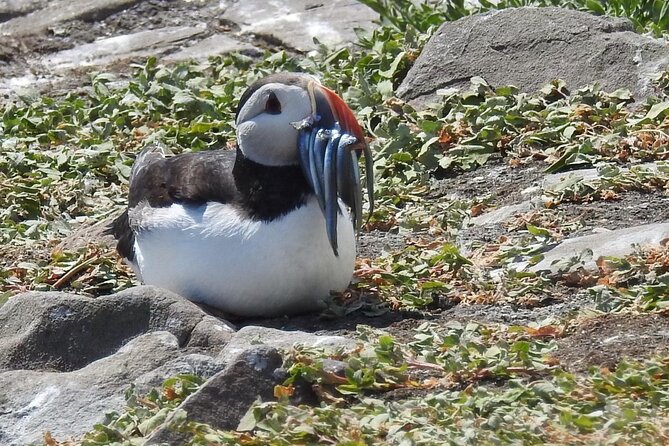
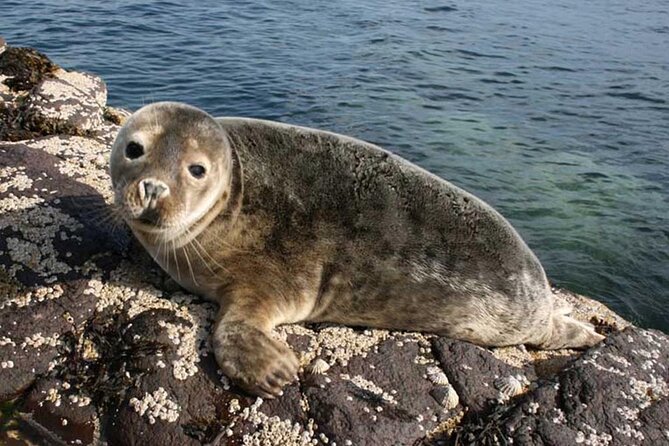
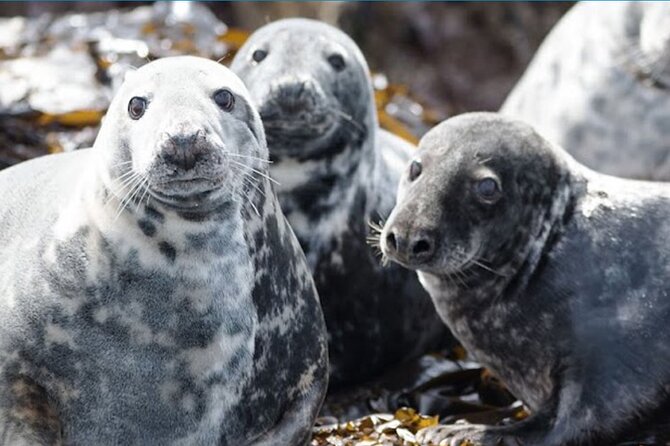
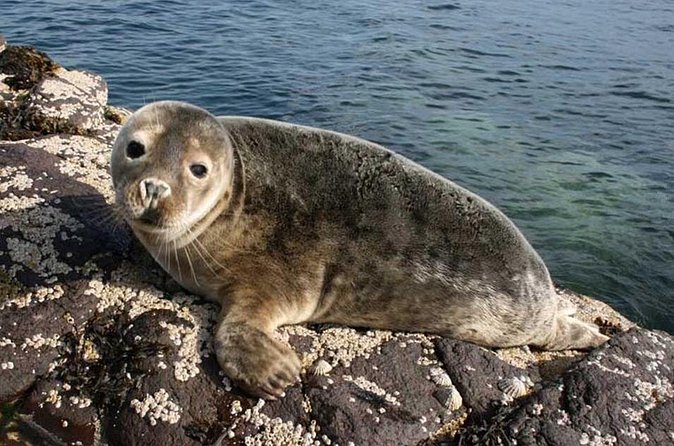
The Farne Islands are known for predictable wildlife, and this cruise is designed around that. You’ll have chances to see cormorants, shags, and gulls—and grey seals year-round. Because the boat stays in the area, you’re not just looking for a quick glimpse. You get repeated looks, which matters with seals. They can be very still for long stretches, then suddenly move, roll, or pop their heads up.
Watching from water also changes how the animals feel. You’re not stomping toward them. You’re sharing the space at a distance, and the experience is calmer than a land hike would be. It’s also easier on families with kids, since you don’t need everyone to handle uneven ground, slippery rocks, or sudden terrain changes.
If you want the best viewing, think “watching stations.” Move to where you have the clearest view of the rocks and shoreline, then stay there. The cruise gives you time in the wildlife zone—more than a drive-by, less than a full day. That’s a sweet spot.
What makes the species commentary worth it
The guide’s commentary is a big part of the value here. When someone explains the differences between birds that look similar at first glance, you start spotting details you’d otherwise miss. You also learn why certain species might be present at certain moments. That keeps you actively engaged instead of passively watching a lot of brown/grey shapes on the horizon.
And if you’re traveling with kids or non-birders, the narration helps them catch up fast. In other words, you don’t need background knowledge to enjoy this.
Longstone Lighthouse and Grace Darling’s rescue route: the human story behind the rocks
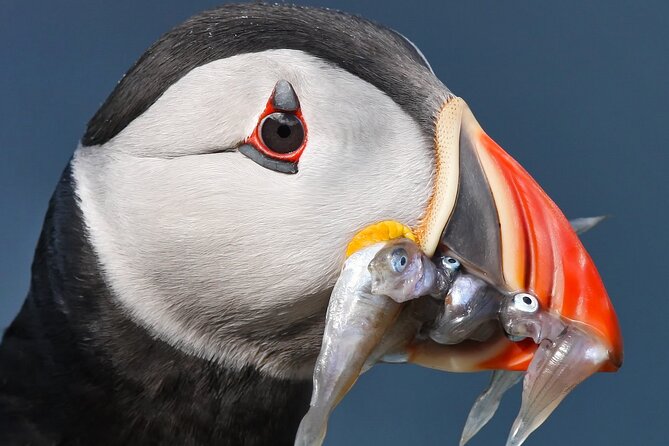
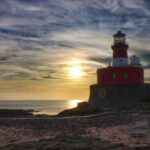
The cruise doesn’t treat Grace Darling as a footnote. It gives you a focused sailing segment toward Longstone Lighthouse, described as the former home of the local heroine Grace Darling. This is where the trip becomes more than wildlife watching.
You’ll get expert commentary about the structure and history of the lighthouse, and then you traverse Grace Darling’s rescue route with the current lighthouse attendant, George. That matters because you’re not just hearing a legend—you’re moving through the same stretch of water tied to the story.
If you like places with a strong sense of time, this part of the cruise gives you that. The Farne Islands are famous for nature, yes. But they also carry a strong maritime thread—lighthouses, rescues, and the everyday work of keeping ships safer. The boat format is ideal for this kind of storytelling because it connects the narrative to the view in front of you.
One practical tip: this segment can feel extra “worth it” if the weather is gray. Even when you can’t see everything sharply, the lighthouse and the route story still give shape to where you are and why people have cared about this coastline for generations.
Puffins and seasonal seabirds: when to come for the best chance
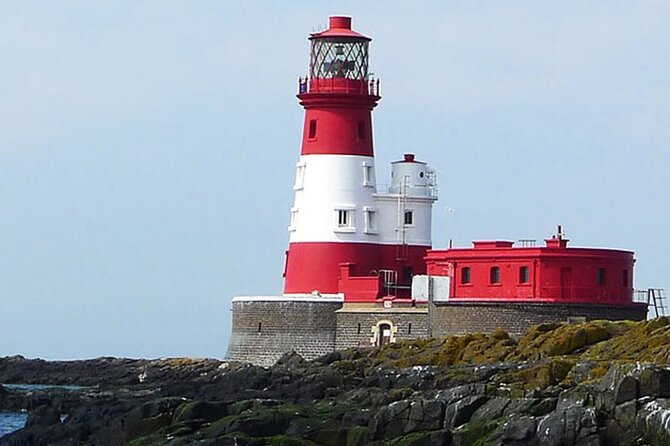
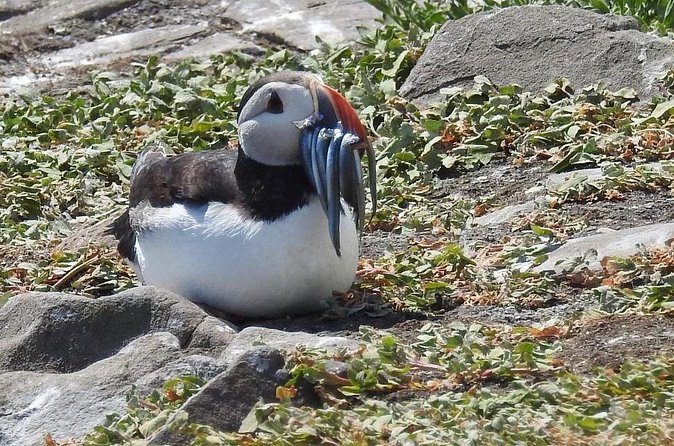
Here’s the seasonal truth: you can see puffins during May, June, and July, along with other seasonal birds like guillemots, razorbills, and terns. Outside that window, you still have a lot to see—especially the resident seabirds and grey seals—but you should not count on puffins.
That matters for planning. If puffins are your top goal, aim for the early summer months. If you’re coming in shoulder season, treat puffins as a bonus and build your expectations around the year-round stars instead. This cruise makes that easy because it’s honest about what changes with the calendar.
I also like that the narration keeps you engaged even if puffins aren’t showing. Once you understand the resident birds and why they’re there, the trip still feels “full,” not like a half-finished wildlife hunt.




Trinity House lighthouse attendant George: how the expert commentary lands
The commentary is not generic. You get full expert narration from a Trinity House lighthouse attendant as you cruise, and George specifically handles the Grace Darling rescue route segment. That structure helps because the stories match what you’re passing at that moment.
It also gives the trip a grounded feel. Trinity House has a direct connection to lighthouses and maritime safety, so the lighthouse segment doesn’t sound like a script pulled from a brochure. It feels like operational knowledge and local perspective.
A quick heads-up on audio
One thing to be aware of: the tannoy can be hard to hear in very quiet conditions. The easy fix is human: choose a spot where you can clearly hear the guide, and don’t assume you’ll catch every word from the far side of the boat. If you’re planning this with hearing sensitivity, arrive a little earlier so you can pick a comfortable seat before departure.
Boat ride comfort, group size, and getting good sightlines
This cruise is capped at a maximum of 74 travelers, which keeps it from feeling like a crowded party. You’ll also have enough space to move around on the boat, which helps because wildlife doesn’t line up on one perfect side.
Timing matters, too. Boats run on a set schedule, with a 10:30 am departure. You’ll want to be there early enough to get settled and not waste your best wildlife watching time standing around.
The ride is short, so expect a straightforward experience rather than a “slow scenic cruise.” In other words: it’s built for seeing animals, not stretching time. If you like efficiency and clear segments, you’ll appreciate that.
Who this cruise fits best
- Families who want a short outing with built-in narration
- First-timers to the Farne Islands who don’t want to commit to a long, complex day
- Bird-and-seal lovers who want a guided shortcut to identification
- People who love maritime stories and want Grace Darling tied to the actual water route
If you’re the type who wants to hike, land on rocks, or spend hours walking around an island, this won’t match that style. But for a time-efficient “see the famous stuff” trip, it fits nicely.
Price and value for a short, expert-guided Farne Islands cruise
At $27.42 per person, this is priced like a practical coastal activity, not a once-in-a-lifetime luxury. The value is in what’s included: full expert commentary plus a wildlife-focused route around the Farnes.
You’re paying for three things:
- Access to the best local viewing area by boat
- Wildlife viewing time without the work of landing
- Species and lighthouse narration that helps you see more than you’d see alone
Also, the cruise is popular. It’s often booked about 10 days in advance on average, so if you’re traveling in summer—especially May through July—it’s smart to reserve early. Short trips like this can fill faster when the weather is good and people want puffins.
And because it runs on good-weather conditions, you’ll want to stay flexible if plans are tight. If the outing can’t operate due to poor weather, you’ll be offered an alternative date or a full refund.
Should you book this Farne Islands cruise from Seahouses?
I’d book it if you want a short, well-led taste of the Farne Islands with real meaning behind Grace Darling’s lighthouse connection. It’s especially strong if you care about seeing grey seals and want help identifying cormorants, shags, and gulls without needing to be an expert on day one.
Skip it—or pick a different style of outing—if your dream is to step onto the islands and walk around. This cruise keeps you on the water, and that’s the trade-off for the smooth, efficient schedule.
One last decision tip: if puffins are the headline for your trip, aim for May–July. If not, you still get year-round wildlife and a lighthouse story that makes the trip feel complete. For many people, that balance is exactly what makes it worth planning.
FAQ
How long is the Seabird & Seal Farne Islands cruise?
The cruise lasts about 1 hour 30 minutes.
Where does the cruise depart from?
It departs from Golden Gate Farne Islands Boat Trips Harbour, Seahouses NE68 7RN, UK.
Do you land on the islands during the tour?
No. There is no landing.
What wildlife can you see during the cruise?
You can see resident seabirds such as cormorants, shags, and gulls, plus grey seals (available all year).
When can you see puffins?
Puffins are most likely during May, June, and July. Outside that period, seasonal birds are not guaranteed.
Who provides the commentary?
You get expert commentary en route from the current Trinity House Lighthouse attendant, and George (a lighthouse attendant) provides commentary related to Grace Darling’s rescue route.
How big is the group?
The tour has a maximum of 74 travelers.
What happens if the weather is poor?
The experience requires good weather. If it’s canceled due to poor weather, you’ll be offered a different date or a full refund.
What is the cancellation deadline for a full refund?
You can cancel for a full refund if you cancel at least 24 hours before the experience’s start time. If you cancel less than 24 hours before, the amount paid is not refunded.