REVIEW · BIRMINGHAM
Birmingham Private Walking Tour with a Professional Guide
Book on Viator →Operated by Global Guide Services · Bookable on Viator
A good city walk starts with a plan, not guesswork. This private Birmingham tour strings together major sights with clear stories, from Stone Age beginnings to later clashes like the English Civil War and the Battle of Birmingham. You’ll cover a tight stretch of central landmarks while your guide helps you connect what you see to how the city got here.
I like the private group size (up to 15) because it makes the walk feel like it’s for your questions, not a mass script. I also like the flexibility to customize on the spot, so you can steer toward what your group cares about most, whether that’s canals, civic buildings, or cathedral history.
One thing to consider: entrance fees aren’t included, and not every stop will feel equally hands-on if your interest leans heavily toward what you can go inside.
In This Review
- Quick take: why this Birmingham tour works
- Why this private Birmingham walk beats the usual sightseeing shuffle
- Starting at Centenary Square: landmarks that set the tone
- Victoria Square and Council House: how civic power reads in stone
- St. Philip’s Cathedral: the spot where the questions come alive
- Birmingham Town Hall: when culture and civic life overlap
- Brindleyplace: finishing where Birmingham feels modern and water-linked
- The history thread: Stone Age to Roman Britain, then guilds, iron, and conflict
- Customization on the spot: how to steer the walk without breaking it
- What you actually get from a 2-hour format
- Guide names you might hear: what the best tours do right
- Price and value: what $279.67 per group really means
- A practical plan for enjoying it even if the weather turns
- Who this Birmingham tour suits best
- Should you book this Birmingham private walking tour?
- FAQ
- How long is the Birmingham private walking tour?
- What is the price for this private tour?
- Is the tour private or shared?
- Where does the tour start and end?
- What’s included in the tour price?
- Are entrance fees included?
- What can I expect to learn during the walk?
- Can the tour be customized?
- Is there a mobile ticket?
- What is the cancellation window for a full refund?
Quick take: why this Birmingham tour works
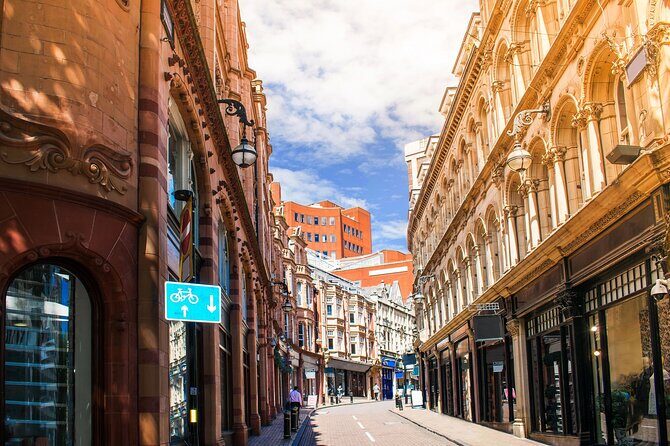
- Story-first history: from Stone Age to Roman conquest and the Battle of Birmingham, tied to what you’re looking at.
- Private guide with your group only: easier question time, less waiting, and a more natural pace.
- Covers a compact center: Centenary Square to Brindleyplace, with big landmarks you can actually picture later.
- On-the-spot customization: you can shift focus mid-walk without derailing the whole tour.
- Mobile ticket: less paper shuffling, more time for the walk.
- Views plus key buildings: including a view toward Birmingham Museum & Art Gallery and sights like St. Philip’s Cathedral and Town Hall.
Why this private Birmingham walk beats the usual sightseeing shuffle
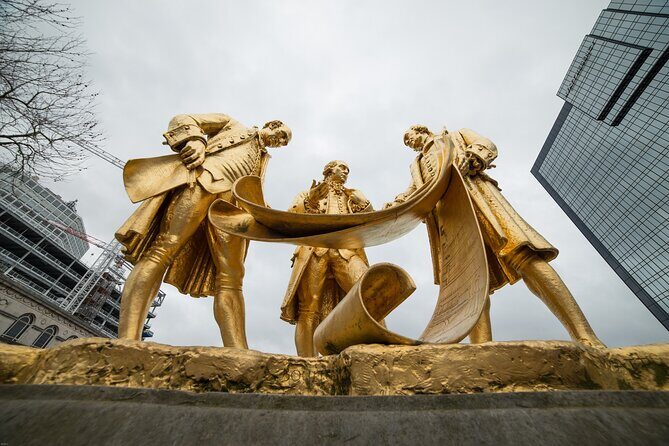
Birmingham can feel confusing if you’re hopping stop to stop on your own. Streets, eras, and neighborhoods overlap, and without a guide it’s easy to miss how they connect. This tour is designed to keep you moving through the center while someone threads the story together so it clicks.
The biggest value is that it’s private. That matters in a city where it’s easy to lose momentum to crowds, schedules, or a guide you can’t actually talk to. Here, you can ask follow-ups as you go, like why a particular building matters or how the city’s industry shaped what you see today.
The second value is that you don’t just get highlights. You get a timeline approach. You’ll learn about the Stone Age and the Roman conquest of Britain, then shift to medieval structures like the Lord of the Manor and the Guild of the Holy Cross, and later to the iron merchants and the English Civil War era. By the time you finish, the center doesn’t look random. It looks layered.
You can also read our reviews of more walking tours in Birmingham


Starting at Centenary Square: landmarks that set the tone
Your tour starts at Centenary Square, a smart choice because it’s a recognizable open space that helps you orient quickly. From there, you’ll begin linking buildings to eras rather than treating them as isolated photo stops.
One small but real benefit: starting in a public square makes it easier to arrive, regroup, and settle into the pace. You’re not guessing where to meet or trying to match up with a “meet by the door” style plan.
As you move, you’ll also get a view of Birmingham Museum & Art Gallery. Even if you’re not stepping inside (and entrance fees aren’t included), a viewpoint works as a mental anchor. It’s the kind of visual cue that helps later when you decide whether to return on your own for exhibits.
Then you’ll head toward Victoria Square, another key central stop that helps you understand how Birmingham’s civic life shows up in the street layout and the architecture.
Victoria Square and Council House: how civic power reads in stone
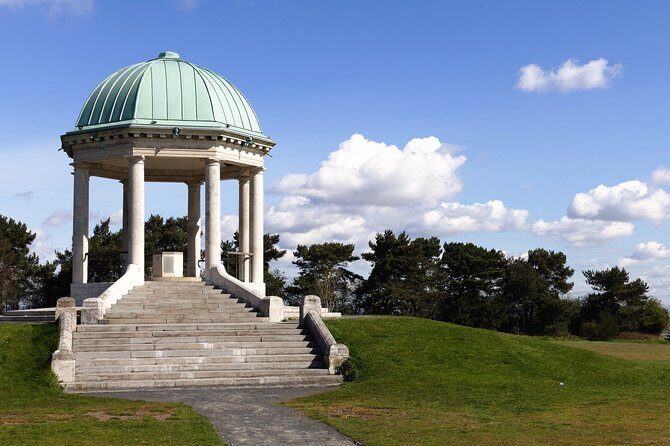
Victoria Square and the Council House area are where the city’s official identity becomes easy to see. This is the part of Birmingham that tends to reward people who like contrasts: old and new, public purpose and industrial muscle.
On a walk like this, the guide’s job is to explain why these places feel important beyond the postcard view. You’ll likely hear how civic buildings fit into the way Birmingham grew—especially since the tour’s broader story includes the city’s shifts from early governance and guild systems to later commercial power.
If you’re bringing kids or anyone who gets tired quickly, this section also tends to work because it gives you big, obvious landmarks in a manageable walking span. You’ll still be able to take breaks without losing the thread.
A possible drawback here is the same as in many central-city walks: some stops are better as look and learn than go in and explore. If your group expects every moment to be an entrance fee moment, you’ll want to set expectations ahead of time.
St. Philip’s Cathedral: the spot where the questions come alive
Next up is St. Philip’s Cathedral, one of the most defining sights in central Birmingham. A cathedral stop can feel like a “box to check,” but on this tour it’s more than that. The guide connects it to the city’s identity and to the deeper timeline you’re hearing about.
Why this stop is valuable on a private tour: religious and civic buildings often raise immediate questions. People wonder about style, purpose, and why certain areas developed around major institutions. In a group setting you might not get time to ask. Here, you can.
Also, if you like architecture but don’t want to get lost in jargon, this is the type of stop that can be handled well by a good guide: clear explanations, room for questions, and enough time to look without feeling rushed.
Birmingham Town Hall: when culture and civic life overlap
From the cathedral, the route continues toward Birmingham Town Hall, another landmark that helps you understand the city’s public character. Town halls are where civic authority becomes visible, and in Birmingham that connects neatly to the tour’s focus on how the city structured itself over time.
What I’d watch for on this stop is how your guide ties the building back to the themes you’re hearing earlier—guilds, merchants, and periods of conflict and change. Even without going inside, you can usually read a lot from exterior form: how a city wanted to present itself and what it chose to invest in.
If you enjoy learning through comparison, you’ll likely notice the “feel” shift between nearby landmarks: squares and civic buildings on one side, more monumental institutions on the other. That’s the kind of mental map a guide helps you build quickly.
You can also read our reviews of more guided tours in Birmingham






Brindleyplace: finishing where Birmingham feels modern and water-linked
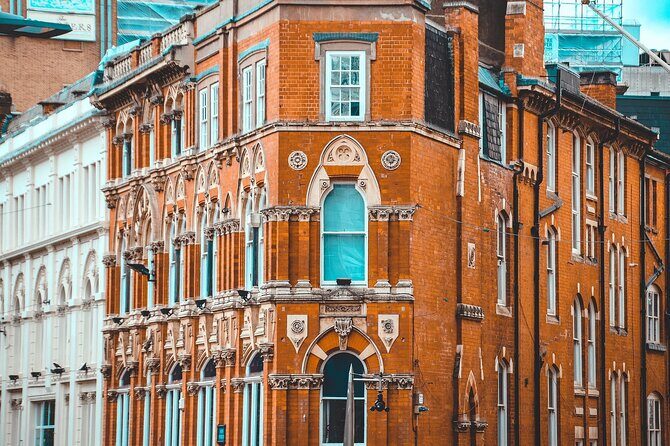
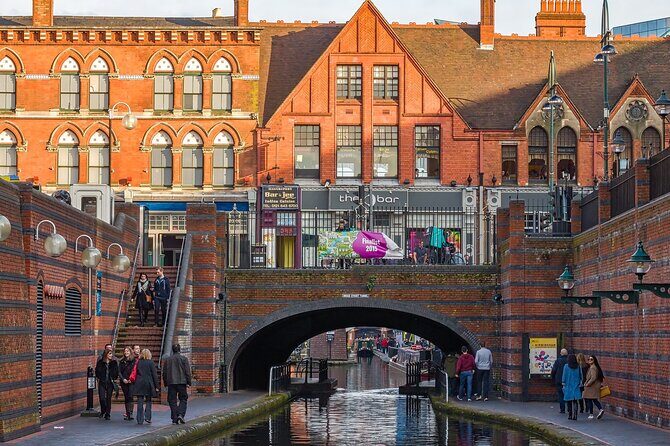
The tour ends at Brindleyplace, at Brunswick St. Ending here is a practical choice. It’s a lively area where you’re more likely to find places to linger afterward, grab a bite, or continue exploring on your own.
It’s also a strong visual finish because Brindleyplace ties into the city’s long relationship with industry and waterways. Even if your focus stays mostly historical, the waterfront setting helps your brain “close the loop” between the past your guide described and the city’s present-day layout.
If you have limited time in Birmingham, this end point can be convenient. You’ll leave having seen the major center highlights while still ending somewhere that makes it easy to keep going.
The history thread: Stone Age to Roman Britain, then guilds, iron, and conflict
The tour’s learning arc is one of the reasons it feels more satisfying than a standard highlights walk. You’ll learn about:
- Stone Age beginnings, setting a deep baseline for how long humans have shaped this region.
- The Roman conquest of Britain, which gives you a framework for how outside powers influenced local development.
- The Lord of the Manor, helping you understand how medieval authority worked before large-scale modern industry.
- The Guild of the Holy Cross, which is where religious and economic life often intersected in older cities.
- Iron merchants, a direct nod to the kind of commercial engine that helped Birmingham grow.
- The English Civil War and the Battle of Birmingham, tying the story to periods when control and allegiance mattered a great deal.
Here’s the practical takeaway for you: when the guide connects these themes to streets and landmarks, you stop memorizing names and start understanding patterns. Birmingham becomes less about random stops and more about a timeline you can follow on foot.
And because it’s a private tour, you can tailor the focus. If your group is strongest in art and architecture, ask how the city’s industrial growth affected building and civic investments. If your group prefers political history, ask what the Civil War and battle would have meant for daily life and power.
Customization on the spot: how to steer the walk without breaking it
The tour is built to allow changes while you’re in motion, not after. You’re not locked into a rigid script where questions are only allowed at the end.
Use that flexibility strategically:
- If you care about cathedrals and civic buildings, ask for more time at St. Philip’s Cathedral and Town Hall.
- If you want a broader “feel” for the city, ask how Brindleyplace reflects Birmingham’s later shift toward commerce and modern life.
- If your group includes kids, ask your guide to highlight the most visual parts of the story so it lands quickly.
I’d also use customization to manage energy. Two hours is enough to get a strong introduction, but it’s not long. If your group is tired, you can ask the guide to shorten the explanations in one area and spend a bit more time where people are most interested.
What you actually get from a 2-hour format
Two hours sounds short until you realize what a good guide can pack into a compact route. The key is that you’re staying in central Birmingham, so travel time stays low and attention stays high.
This duration is a good fit if:
- it’s your first time in Birmingham
- you want a guided orientation before branching out
- you have limited time and don’t want to plan a self-guided route
It’s also a good fit for mixed groups: adults who like history, and people who mostly want “big sights with stories” rather than a museum-grade lecture.
If you’re hoping for a deep, museum-style experience at multiple indoor stops, you might find the format too brief. Entrance fees also aren’t included, so you’ll likely do more looking and learning from the outside than spending the whole day ticketed inside.
Guide names you might hear: what the best tours do right
The feedback shared for this experience points to something consistent: guides can vary in style, but the stronger ones keep energy up, answer questions clearly, and adapt to the pace of the group.
You’ll see names like Peter and Mary M. connected with positive experiences, including being lively even when conditions were rainy, and tailoring the walk to family interests. Another guide mentioned by name was John, described as pleasant, and a different experience mentions a guide who handled questions well.
The most useful lesson for you isn’t the name. It’s the behavior to look for: a guide who stays engaging, doesn’t shut down questions, and keeps the story moving so the walk feels like it’s going somewhere.
Price and value: what $279.67 per group really means
At $279.67 per group (up to 15), the value depends on group size. If you fill the group, that’s roughly $18.65 per person. If you’re only a couple of people, the cost per person goes up, because it’s priced per group.
So this tour makes the most sense when:
- you’re traveling with a small family or friends and want a private guide without paying for a huge party
- you’re comparing it to buying multiple individual tickets for a bus tour and realized you’d rather pay for a guide interaction
- you want flexibility to ask questions and change direction mid-walk
A private walking tour in a city center is often about time. Your guide helps you avoid time-wasting stops and points you toward what matters most, including how to interpret the buildings you see. That’s where the price can feel reasonable quickly.
A practical plan for enjoying it even if the weather turns
Because this is a walking tour, weather matters. You’ll spend time outdoors between major central landmarks, so plan for comfortable walking shoes and layers.
Also, because the tour focuses on a sequence of sights in a compact area, you don’t need a complicated itinerary strategy. The guide’s path does the heavy lifting.
If you want maximum enjoyment:
- arrive a bit early so you’re not rushing at the start point
- come ready with 2 or 3 questions your group truly cares about
- if you’re interested in any indoor stops, plan those separately since entrance fees are not included
Who this Birmingham tour suits best
This tour is a strong match for:
- first-timers in Birmingham who want an orientation you can remember
- history-minded visitors who like learning through landmarks
- families who need a guide who can keep the walk lively and adapt to interests
- groups who want private Q&A rather than listening from a distance
It’s less ideal if you want a long list of indoor museum time or if your group expects every stop to be a paid entry site.
Also, if you’re the kind of traveler who loves clear timelines—Stone Age, Roman Britain, guild life, iron merchants, Civil War and battle context—this will feel satisfying because the story stays connected.
Should you book this Birmingham private walking tour?
Book it if you want a well-structured introduction to central Birmingham with a guide who can answer questions and help you connect the city’s eras to the streets you’re walking. The route from Centenary Square to Brindleyplace keeps things efficient, and the option to customize on the spot is a real quality-of-life upgrade.
Skip it or adjust expectations if you’re expecting lots of indoor time. This is built for walking, seeing, and learning, and since entrance fees aren’t included, you’ll likely do more exterior viewing than museum-style exploration.
If you’re trying to choose between a generic city loop and a guided story walk, this one usually wins for the simplest reason: it turns landmarks into meaning, fast.
FAQ
How long is the Birmingham private walking tour?
It lasts about 2 hours.
What is the price for this private tour?
It costs $279.67 per group, with a maximum group size of up to 15.
Is the tour private or shared?
It’s private. Only your group participates.
Where does the tour start and end?
It starts at Centenary Square, Birmingham B1, UK, and ends at Brindleyplace, Brunswick St, Birmingham B1 2JF, UK.
What’s included in the tour price?
A local guide who is with your group only, plus a private guided tour.
Are entrance fees included?
No. Entrance fees are not included.
What can I expect to learn during the walk?
You’ll learn about the Stone Age, the Roman conquest of Britain, the Lord of the Manor, the Guild of the Holy Cross, the iron merchants, the English Civil War, and the Battle of Birmingham.
Can the tour be customized?
Yes. You can potentially customize on the spot with your local guide.
Is there a mobile ticket?
Yes, it uses a mobile ticket.
What is the cancellation window for a full refund?
You can cancel up to 24 hours in advance for a full refund.